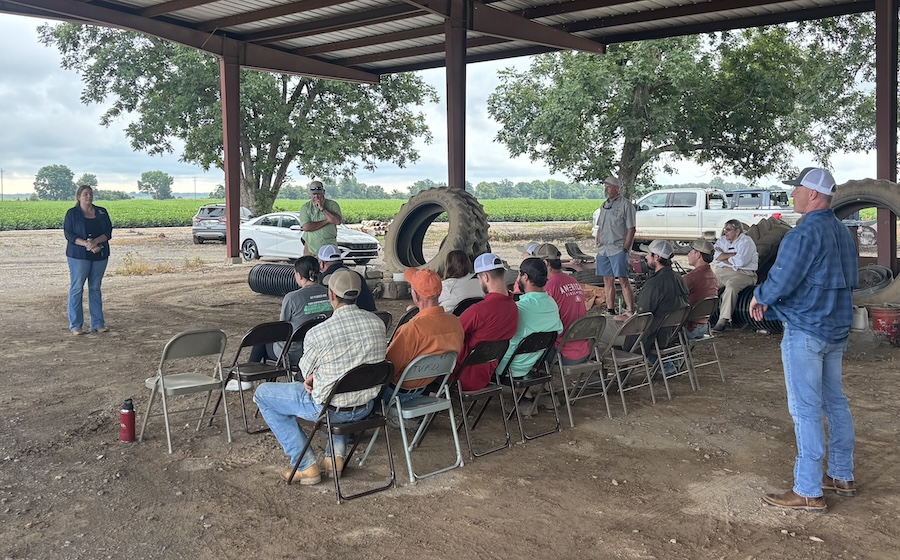
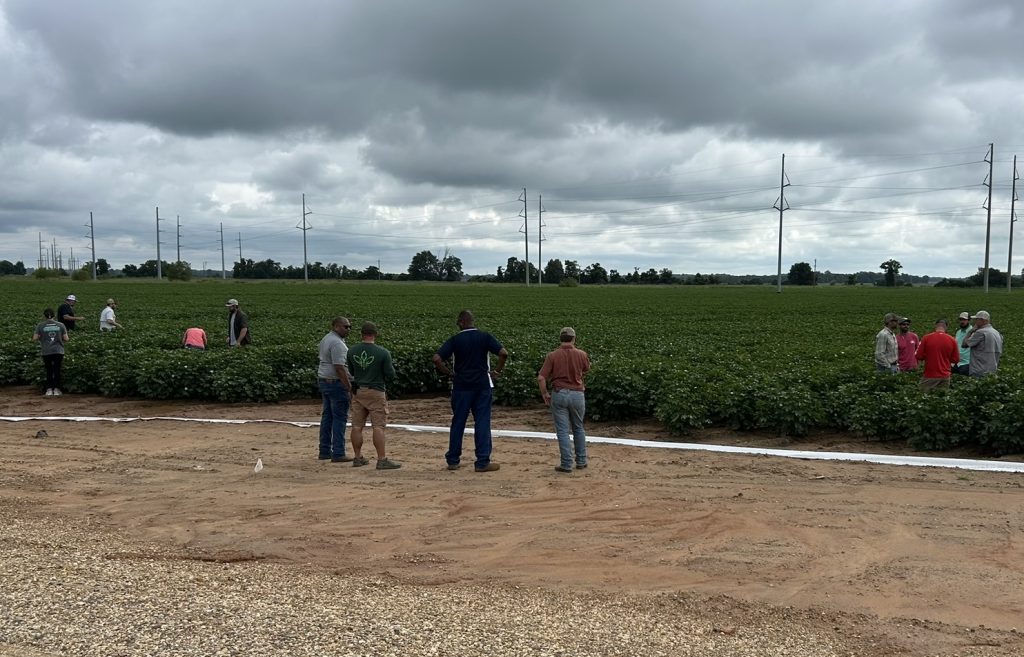
A study of 20 farms shows soil health practices increased net income – along with other benefits – for growers in South Central Nebraska.
In partnership with the Nebraska Soil Health Coalition, the Soil Health Institute used partial budget analyses to evaluate the financial impact of soil health management systems. Reduced costs primarily drove net income increases.
Based on information provided by the farmers, it cost an average of $91/acre less to grow irrigated corn and $48/acre less to grow irrigated soybean using a soil health management system.
Higher yields increased crop revenue for irrigated production by an average of $53/acre for corn and $43/acre for soybean, while improved water infiltration led to reduced need for irrigation.
Seven farmers managing pasture with soil health management systems increased net farm income an average of $191/acre. Net farm income for irrigated production with grazed cover crops increased an average of $153/acre for corn and $90/acre for soybean. Soil health management systems for other crops in the corn-soybean rotation resulted in increased net farm income of $33/acre for grain sorghum and $53/acre for winter/cereal rye.
Economic benefits for non-irrigated corn ranged from $103 to $279/acre, with all farmers reporting reduced expenses. Yield increased at five farms while grazing value increased at four.
For non-irrigated soybean, net farm income increased for all farms, ranging from $13 to $234/acre. Five farms had net reductions in production expenses, while one farm had no net change in production expenses. Five farms had net farm income contributions from increased yield, and one had additional revenue from grazing soybean stover.
Factoring out yield increases, the cost savings from regenerative practices still resulted in increased profitability, showing the value of managing for soil health.
The results provide Nebraska farmers with information they need when deciding whether to adopt soil health practices, which can build drought resilience, reduce wind and water erosion, increase nutrient availability, reduce nutrient losses, and help manage plant diseases. Many soil health management systems also benefit the environment by storing soil organic carbon, reducing greenhouse gas emissions, and improving water quality.
About the farms
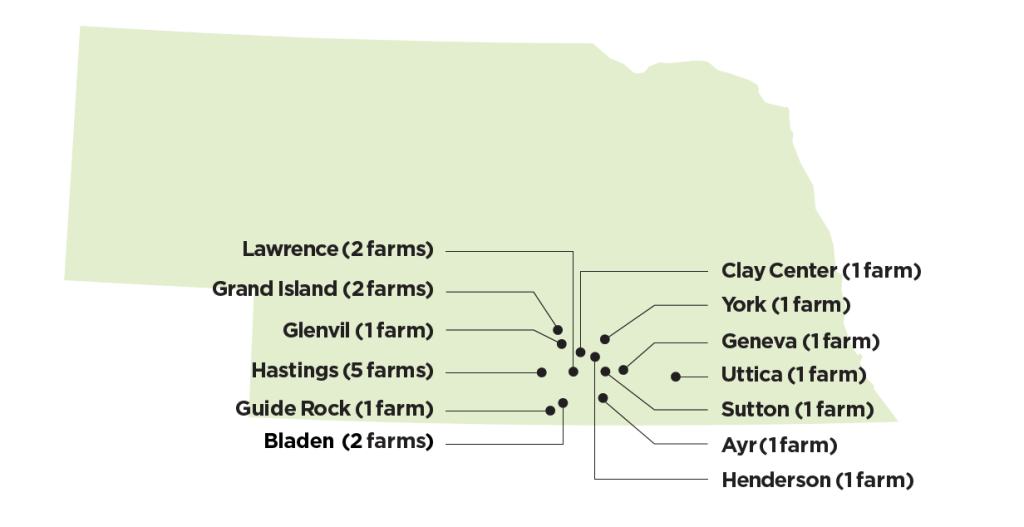
The growers interviewed farmed in Adams, Franklin, Thayer, Clay, Buffalo, Hall, Hamilton, Kearney, Nuckolls, Fillmore, York, Polk, and Webster counties.
- 17 produced corn and soybean, seven managed pasturelands. Three managed both pastures and row crops.
- The farmers interviewed had an average of 3,764 acres and grew crops on an average of 2,083 acres and 1,681 acres of pasture.
- The 17 farmers growing corn and soybean used no-till on 48% of acreage and reduced tillage on 52%, with cover crops on 22% of crop acres.
- 15 farms included irrigated production and six included non-irrigated production. Four farms had both irrigated and non-irrigated production, and two farms were exclusively non-irrigated. On 10 farms, irrigation was exclusively center pivot systems while five farms used combinations of center pivot systems with gravity irrigation on selected acreage (e.g. pivot corners and other limited acreage tracts).
Across Nebraska, combined no-till/reduced tillage is used on 89% of farms, but cover crops are used on only 5%, suggesting that more corn and soybean farmers could improve profitability by managing for soil health.
For the full report with expense, revenue, and net farm income details, download the fact sheet.
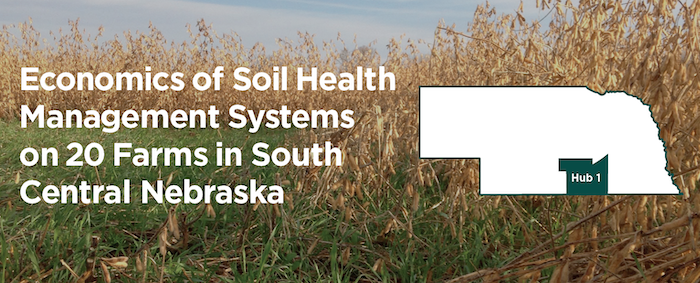
The Nebraska Soil Health Coalition and SHI are now partnering on economic analysis for farms in Hub 2, which spans the southwest corner of the state.