Our Science-Led Team
Our interdisciplinary team solves complex problems and translates results through education, networks, and tools that benefit farmers and the environment.







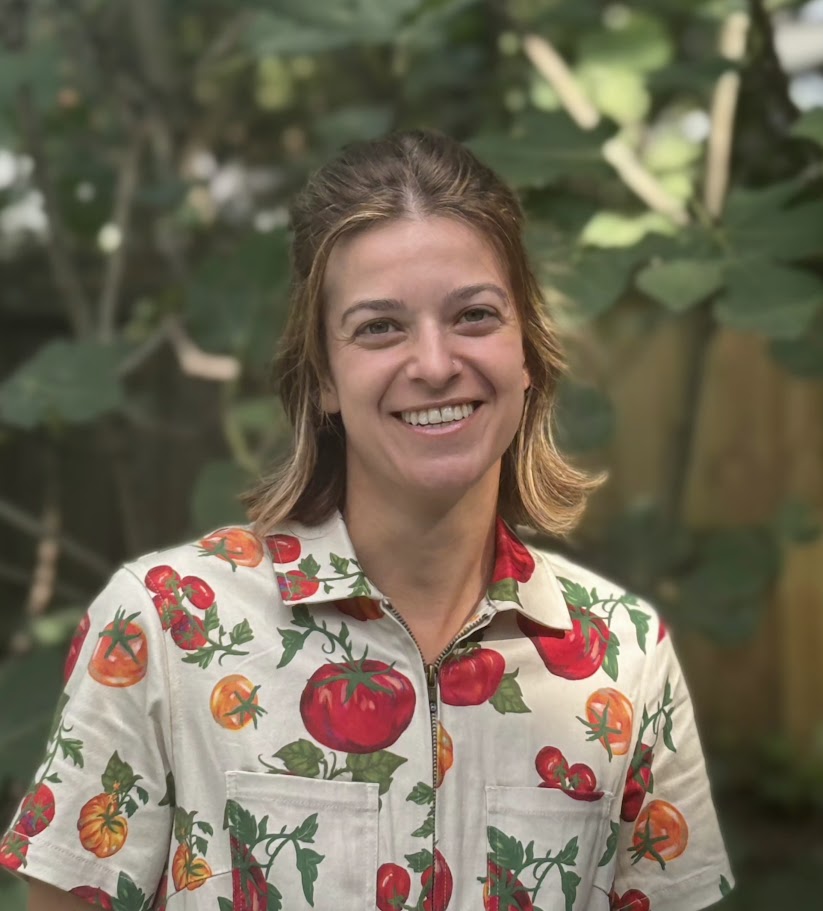

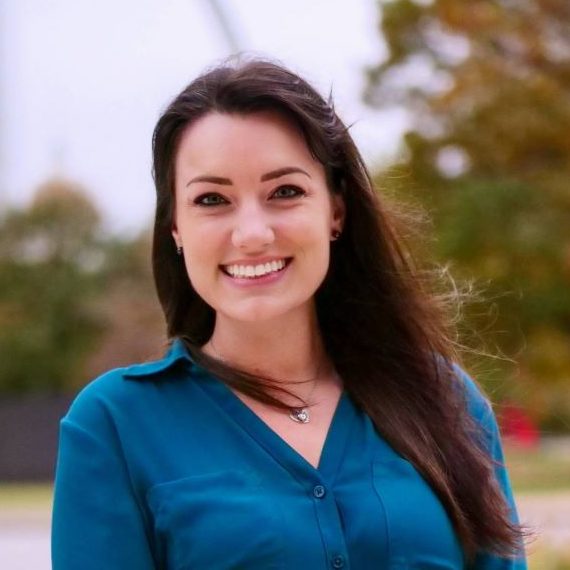


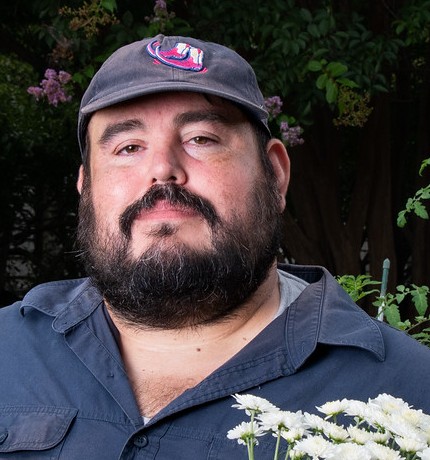
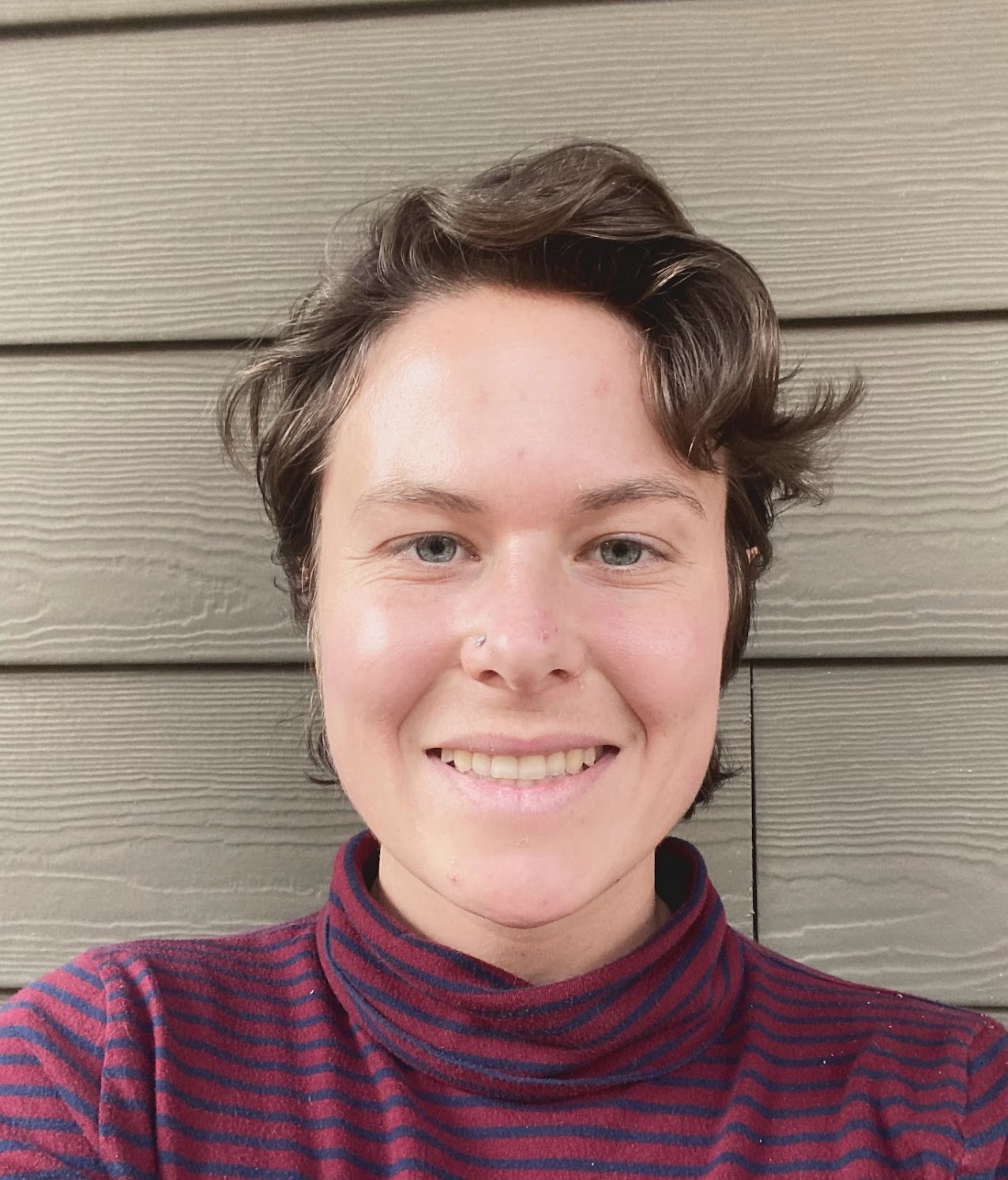



Mike Lucas
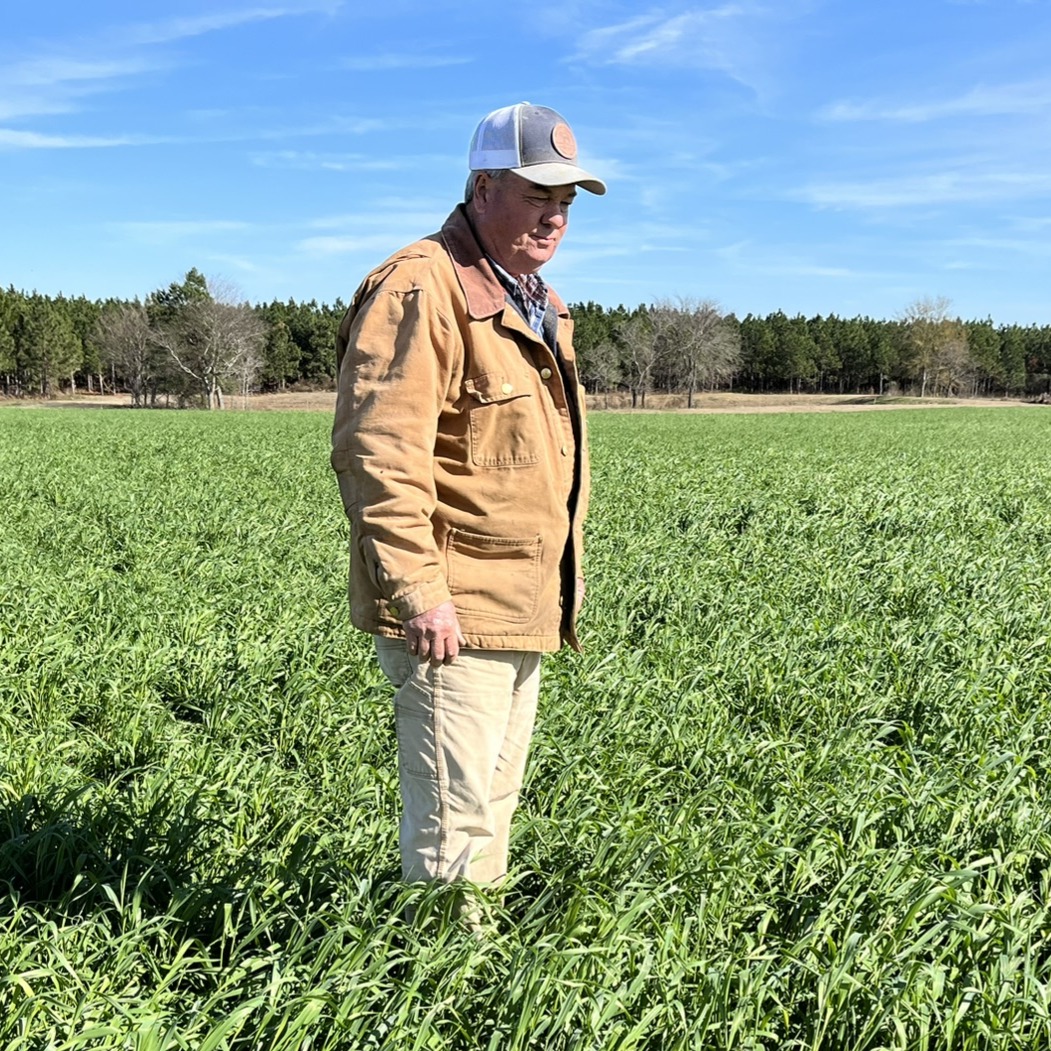
Mike Lucas farms a row crop and cattle operation in Cochran, Georgia. Mr. Lucas is using cover crops, implemented with the help of local NRCS staff, to increase grazing days for his herd and for cost savings. He continues these practices not only for grazing, but also for nitrogen credit and soil moisture infiltration. Mike routinely shares his success story at field events hosted on his farm.
If you have any questions regarding soil health and cotton systems for Mike, you can contact him through our Soil Health Educator Jessica Kelton at jkelton@soilhealthinstitute.org.
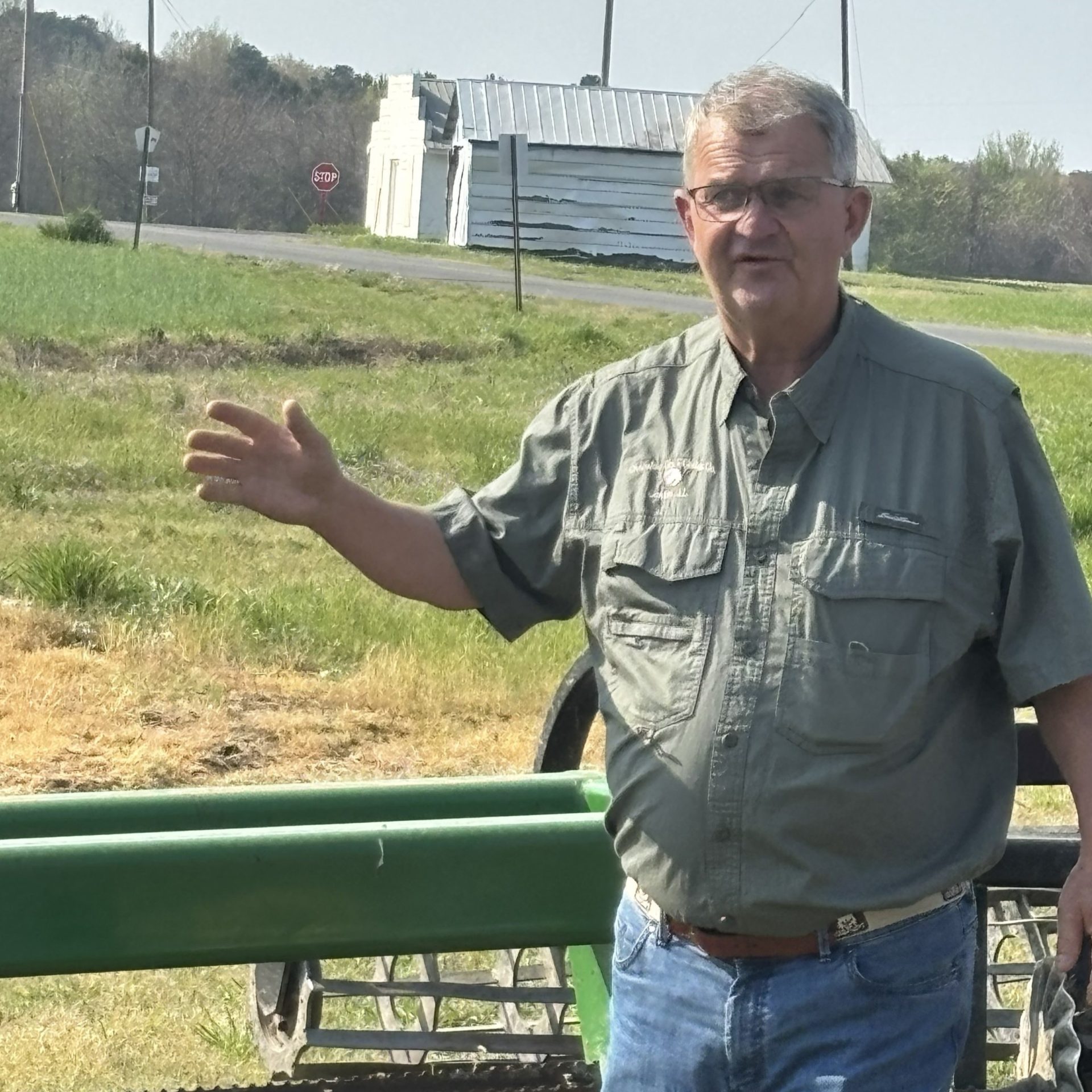
Nick McMichen
Nick McMichen and family operate a diversified row crop operation in Alabama founded 1845. The farm is committed to the protection of soil and the environment with the use of conservation-focused practices every year. Mr. McMichen is also committed to the agricultural industry, with roles in many farming organizations and marketing programs like the U.S. Trust Protocol. Nick and his wife, Freida, live in Centre, AL.
If you have any questions regarding soil health and cotton systems for Nick you can contact him through our Soil Health Educator Jessica Kelton at jkelton@soilhealthinstitute.org.
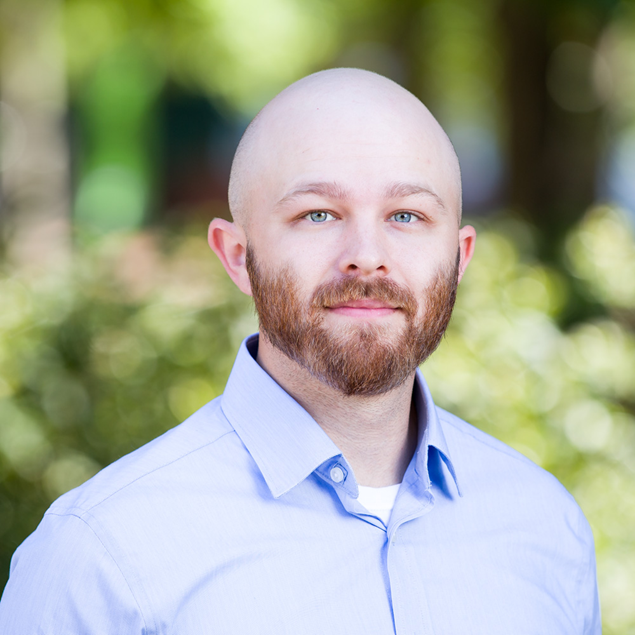
Chandler Gruener, Ph.D.
Dr. Chandler Gruener is an Assistant Professor and Soil Health Extension Specialist with Auburn University. His program covers topics of soil quality, conservation, and fertility. He has worked with cover crops, focusing on perennial ground covers in the Southeast US between planted cash crop rows. He has also worked with many annual cover crops as well. His research interests also include nutrient cycling in systems, as well as other key indicators of soil health.
If you have any questions regarding soil health and cotton systems for Dr. Gruener, you can contact him through our Soil Health Educator Jessica Kelton at jkelton@soilhealthinstitute.org.
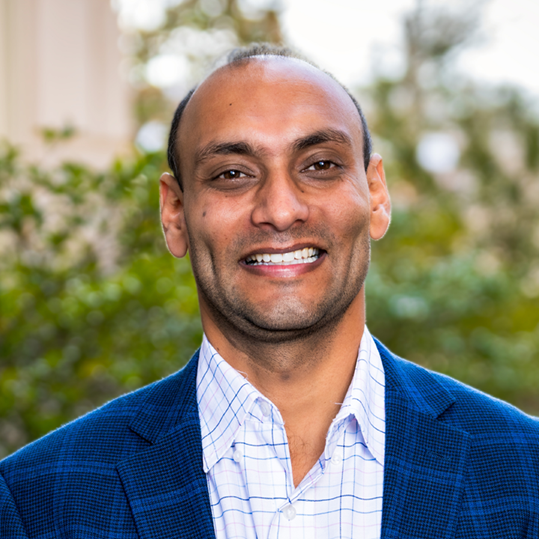
Simer Virk, Ph.D.
Dr. Simer Virk is an Associate Professor in the Department of Biosystems Engineering at Auburn University and an Extension Specialist with Alabama Cooperative Extension. His applied research focuses on using advanced machinery systems and precision agriculture technologies in row crop production. This includes planting and spraying systems, variable rate technology, unmanned aerial vehicles, remote-sensing, yield mapping and data management in agriculture.
If you have any questions regarding soil health and cotton systems for Dr. Virk you can contact him through our Soil Health Educator Jessica Kelton at jkelton@soilhealthinstitute.org.
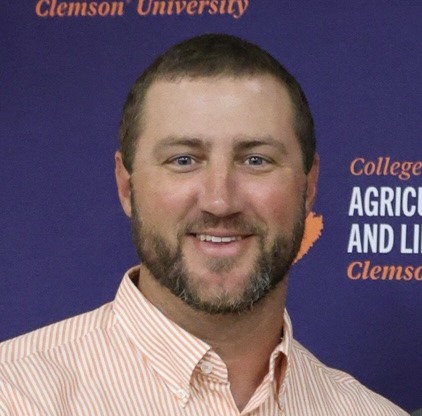
Ty Woodard
Ty Woodard is a third-generation farmer based in Darlington County, South Carolina. Together with his father Frankie, and brother Wes, Ty operates Woodard Farms, managing over 5,800 acres of cotton, peanuts, corn, soybeans, timber, and beef cattle.
In 2018, Ty and his wife Tracy founded Covered in Cotton, a farm-based business producing cotton goods made exclusively from cotton grown on their farm. The company also supports the community by donating blankets to a local children’s hospital and family ministry—over 1,300 to date. Ty also operates a beef processing business and manages an on‑farm hunting preserve.
Woodard Farms has implemented sustainable farming practices, including strip‑till, cover crops, precision agriculture, and enrollment in Climate‑Smart programs to improve yields and conserve resources.
Ty is also deeply involved in the community, serving in leadership roles within the Darlington County Farm Bureau and Young Farmer association, and coaching Little League.
If you have any questions regarding soil health and cotton systems for Ty, you can contact him through our Soil Health Educator Emily Ball at eball@soilhealthinstitute.org.
John Michael Pillow
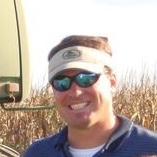
John Michael Pillow is a fourth-generation row crop farmer from Flora, Mississippi. Over the years, he has grown cotton and other crops while managing his family’s farm for more than 15 years before beginning to farm full-time on his own in 2011. John Michael is deeply committed to conservation, implementing soil health practices across his operation, and was recently recognized as the 2025 Delta Council Conservation Farmer of the Year. He enjoys traveling with his wife and three children and is an avid hunter. If you have any questions regarding soil health and cotton systems for John Michael, you can contact him through our Soil Health Educator Jessica Kelton at jkelton@soilhealthinstitute.org or 334-200-4770.
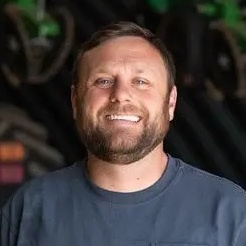
Spencer Smith
Jimmy Smith
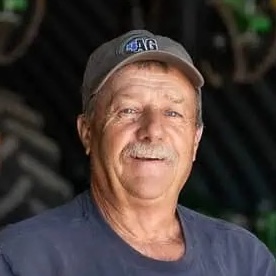
Jimmy Smith is a fourth-generation farmer at Smith Farms, where he grows cotton and rye in western Oklahoma. After receiving his bachelor’s degree in business administration, Jimmy returned to the farm where they used rye as a cover crop for erosion control. For years he used conventional tillage, until switching to strip tilling in 1998. In 2010, he began no-tilling in both cotton and rye, and have continued this process, only strip-tilling in bad compaction zones like turn rows and module storing locations.
Over the years of no-tilling cotton, the Smiths found that stubble damage to original planter gauge wheel tires was a big problem in their operation. In 2012, the Smiths and another farmer started working with a machinist to build an indestructible gauge wheel tire. After testing the 4AG gauge wheel tire on their farms for five years, they began distributing the product through their company, 4AG Manufacturing. If you have any questions regarding soil health and cotton systems, you can contact Jimmy or Spencer via our Soil Health Educator Emily Ball at eball@soilhealthinstitute.org.

Courtney Cosdon
Courtney Cosdon is a Soil Health Instructor working for University of Idaho Extension and the USDA NRCS. She fosters collaboration between producers and agricultural professionals to encourage the adoption of soil health practices. She fills the gaps in regionally relevant soil health resources as well as develops and delivers soil education programs for Idahoans of all ages. She regularly organizes field days and workshops in the summer and presents at conferences and hosts online educational events in the off season. Courtney is located in Boise and serves Southern Idaho. If you have questions regarding soil health and potato systems, you can contact Courtney through Program Director Dr. Mara Cloutier at mcloutier@soilhealthinstitute.org.

Frank Appleberry
Frank Appleberry is a third-generation farmer from Tillar, Arkansas. Over the years, he has grown cotton, rice, corn, soybeans, and raised cattle on his family’s farm. A longtime innovator, Frank and his father began experimenting with cover crops and reduced tillage in the early 1970s and continues to integrate new technologies like environmental monitoring stations, moisture probes, and precision planting. He uses a selective approach to herbicide application and is a strong advocate for the benefits of cover crops. Frank and his family were named Drew County’s Farm Family of the Year in 1990 and 2015, and he remains active in the community through his involvement with NRCS, McGehee Producers Gin, and Ducks Unlimited. If you have any questions regarding soil health and cotton systems for Frank, you can contact him through our Soil Health Educator Emily Ball at eball@soilhealthinstitute.org.

Gary Martin
Gary Martin is the manager of Pikalok Farming, a four-generation family farm, growing 1,450 acres of diversified crops located in the Firebaugh/Mendota region of western Fresno County. In 2024, he was named Chair of the Board of Directors for the California Cotton Ginners and Growers Association, recognizing his longstanding leadership in California agriculture.
A recipient of the 2012 Conservation Tillage Farmer Innovator Award, Gary has been a trailblazer in minimum tillage systems for cotton. Long before reduced-pass systems became mainstream, he and his team at Pikalok engineered and refined a state-of-the-art approach to cotton tillage. Their innovative equipment modifications and “pass-combining” techniques have significantly reduced fuel use and labor while improving soil structure and resilience.
Committed to soil health, Gary transitioned from using poultry manure to incorporating municipal compost and cover crops as more sustainable and cost-effective strategies. He later added gypsum to further enhance water infiltration and organic matter. While he acknowledges that cover cropping without irrigation carries risk in dry years, he believes composting offers a more reliable return on investment.
Gary is a long-time contributor to the Conservation Agriculture Systems Innovation (CASI) Workgroup and frequently shares his knowledge through CASI meetings, field days, and educational videos. With a steadfast commitment to continuous improvement, Gary and his family at Pikalok Farming are helping to shape the future of regenerative cotton production in California.
If you have any questions regarding soil health and cotton systems, you can contact Gary via Soil Health Educator Jessica Kelton at jkelton@soilhealthinstitute.org or 334-200-4770.

Pat Rogers
Pat Rogers of Blenheim, South Carolina, farms with his family and grows cotton, peanuts, corn, soybeans, and wheat. He utilizes cover crops and reduced tillage in a systems-based approach to his farm for conservation and yield enhancement. Precision farming technology and conservation are the components he enjoys most about farming. A graduate of Clemson University, he enjoys cheering on their football team each fall.
If you have any questions regarding soil health and cotton systems for Pat, you can contact him through our Soil Health Educator Emily Ball at eball@soilhealthinstitute.org.

Barry Evans
Barry Evans of Swisher County, Texas, is a fourth-generation farmer who is committed to making his land better for future generations. He grows cotton and grain sorghum in rotation on his 4,500 acres, using no-till practices to help capture rainfall in the arid Texas climate. Sometimes in place of grain sorghum, Barry has planted wheat and other cover crops to help build soil health. Barry utilizes low-energy precision application technology for irrigation, which efficiently delivers water directly between the furrows, achieving 95 percent efficiency rate. Each year his family reviews seed variety test results from Texas A&M AgriLife Extension Service to ensure they select the best varieties suited to their growing environment.
If you have any questions regarding soil health and cotton systems for Barry, you can contact him through our Soil Health Educator Emily Ball at eball@soilhealthinstitute.org.

Ricky O. Dollison Sr.
Ricky O. Dollison Sr. of Poulan, Georgia, is a fourth-generation farmer renowned for his indomitable spirit and unmatched expertise in agriculture. With over two decades of hands-on experience, Ricky has navigated from the fields to boardrooms, showcasing dedication, innovation, and leadership. Coming from a rich farming legacy, Ricky excels in livestock management and crop rotations, ensuring efficient farming operations. As the visionary behind AgFirst Community Cooperative, he pioneers collaborative farming and sustainable practices, ensuring the profitability of family farms.
Ricky’s impact extends through community education and advocacy, supporting local farming communities with his expertise in Farm Service Agency and U.S. Department of Agriculture loan products. His diverse background includes working as a technician for South Georgia Natural Gas, where he honed technical skills and gained valuable industry experience, as well as biomedical technology and service in the Georgia Army National Guard. A leader in agricultural advancement, Ricky bridges traditional farming with modern practices through roles with AgFirst and the Farm Journal Foundation. His commitment to knowledge and communication shines through initiatives like Natural Resource Conservation Service agent training and Toastmasters.
Ricky O. Dollison Sr. is not just a farmer; he’s an agricultural visionary and community leader whose transformative journey inspires innovation and collaboration in agriculture worldwide.
If you have any questions regarding soil health and cotton systems for Ricky, you can contact him through our Soil Health Educator Jessica Kelton at jkelton@soilhealthinstitute.org.

Shane Isbell
Shane Isbell of Cherokee, Alabama, is a fifth-generation farmer who defines soil health as fields with no erosion, that are high in organic matter, and have plenty of earthworms. No-till farming and crop rotation have made his soil very healthy. Working with his father, he’s learned to not just focus on this year’s crop, but to figure out ways to help his son and future generations.
If you have any questions regarding soil health and cotton systems for Shane, you can contact him through our Soil Health Educator Jessica Kelton at jkelton@soilhealthinstitute.org.

Donny Lassiter
Donny Lassiter of Conway, North Carolina, is a third-generation farmer. On his family’s farm they grow peanuts, corn, non-GMO soybeans, wheat, barley, and pumpkins—but what he’s most passionate about is producing cotton. For the past 20 years, cotton is what his family has been able to rely on. Donny plants cover crops, such as wheat, rye and oats, in the fall and winter, which have helped conserve soil nutrients, suppress weeds, and control erosion. He has transitioned from strip-till to no-till practices in his fields in an effort to reduce fuel and improve efficiency. Additionally, Donny uses a diverse crop mix to increase soil health.
If you have any questions regarding soil health and cotton systems for Donny, you can contact him through our Soil Health Educator Emily Ball at eball@soilhealthinstitute.org.

Annie Dee
Annie Dee is a part owner of Dee River Ranch, a 10,000 acre farm near Aliceville, Alabama. This family-operated farm in the Black Belt region consists of row crops and timber. Dee River Ranch utilizes precision agriculture and energy conservation. All row crops are planted on 30-inch beds or hips using no-till. Fields are hipped in the fall and then a single or a mixture of cover crop species are planted. Their systems are constantly being modified to improve soil quality and productivity by building soil organic matter. The farm also engages in collaborations with several universities in irrigation research projects, and crop variety and fungicide trials.
Annie earned her bachelor’s degree in Animal Industries from Clemson University. Annie has been involved with a large variety of organizations including the Alabama Soybean and Corn Association, Pickens County Farmers Federation, West Alabama Food Bank, Soybean Innovation Lab Advisory Board administered through University of Illinois, USDA Cover Crop Advisory Board, National Association of Conservation Districts, Farm Journal Foundation, United Soybean Board, and the Alabama Soybean Producers. She currently serves on the NRCS State Advisory Board, the Simplot Grower Solutions Grower Council, and the Agriculture Advisory Council of the Birmingham branch of the Federal Reserve Bank of Atlanta. Annie has worked with the Howard G. Buffett Foundation on “Invest an Acre” and “Harvesting the Potential” programs.
If you have any questions regarding soil health and cotton systems for Annie, you can contact her through our Soil Health Educator Jessica Kelton at jkelton@soilhealthinstitute.org.

Zeb Winslow
Zeb Winslow of Scotland Neck, North Carolina, is a fifth-generation farmer. His venture into soil health started under the guidance of his father, particularly after he began to cultivate cotton using a strip till system, a technique he adopted after working with the Fishing Creek Soil and Water Conservation District in the late 1990s. This method involved the use of a cereal grain as a cover crop, which was terminated early to prevent excessive growth. On Zeb’s 900 acre farm, he employs a varied crop rotation strategy including corn, soybean (both full season and double crop), wheat, and cotton. He combines no-till planting methods with a variety of cover crops to enhance soil health.
If you have any questions regarding soil health and cotton systems for Zeb, you can contact him through our Soil Health Educator Emily Ball at eball@soilhealthinstitute.org.

We are fortunate to have three University of Georgia Extension Foundation Agents serving as SHI Technical Specialists. If you have any questions regarding soil health and cotton systems in Georgia, feel free to reach out to Peyton at psapp@uga.edu.
Peyton Sapp has been a Jefferson County Extension Coordinator for the University of Georgia (UGA) Extension since 2008 and began his Extension career in 1994. He graduated from the Animal and Dairy Science Department and obtained his master’s degree in Extension Education from the UGA. With 30 years of Extension work, Peyton’s had the opportunity to serve in various counties where he has developed an appreciation for helping growers improve their on-farm management to better their production systems. Peyton says that he has always worked extremely hard to develop a solid, one on one working relationship with growers. He enjoys attending conferences to network with other educators and growers to learn more about techniques that have made them successful. Through his local programming, Peyton developed a replicated cover crop study to evaluate the long-term impacts of cover crops in a corn, cotton, and peanut rotation. There are four treatments: rye, rye/clover, six species mix, and no cover. Peyton is attempting to monitor the changes over time in soil organic matter, moisture holding capacity of the soil, crop yields, nematodes, production input costs, etc. This study is in the third year and has already highlighted how dynamic cover crop systems can be.
Pamela Sapp is also a Jefferson County Extension Coordinator for the UGA Extension. She has been working with cover crop trials since 2013 both on-farm and at the Southeast Georgia Research and Education Center (SEREC). Pamela’s work in cover crops includes a series of demonstration trials comparing various types of cover crops as monoculture and in various mixes. She also co-hosts an annual cover crop field day each year at the SEREC highlighting these trials, planter setup, economics, soil health, and grower panels. Pamela currently works with the Soil Health Institute in conducting field days, grower education, and research efforts.
Jason Mallard is the Southeast District Area Water Agent for the UGA Extension where he promotes agricultural water irrigation management. Jason started his career in conservation in 2005 when he served in the position of Irrigation Specialist followed by Resource Specialist with the Georgia Soil and Water Conservation Commission in Statesboro, Georgia. He is a certified irrigation designer through the Irrigation Association. In 2015, he began working for the UGA Extension as a County Extension Agent where he has developed programming on irrigation water management through soil moisture sensors and grazing lands pasture health. The impact of the projects Jason has led in water management has saved an estimated 376 million gallons of water. He and his family spend their extra time raising cattle on their family farm.
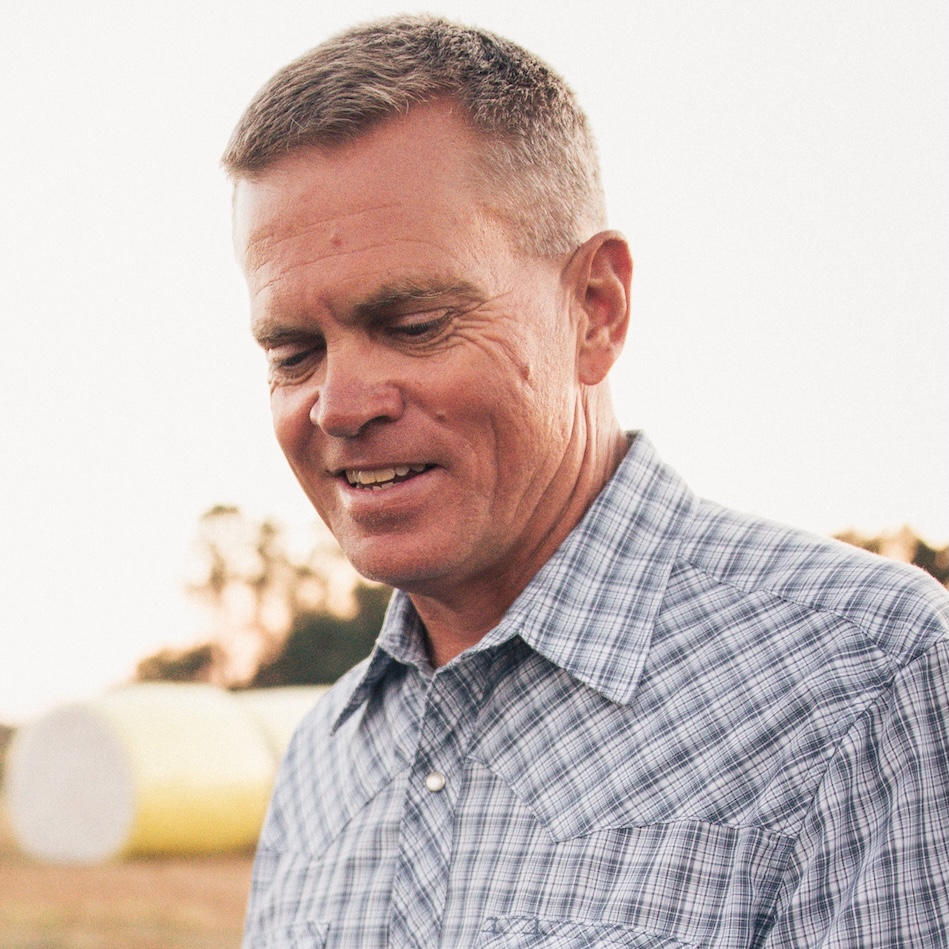
Will Mann of Roanoke Rapids, North Carolina, has been an agronomist for several farming operations in Halifax County, North Carolina, for the past four years. His career began with a local agricultural retailer selling fertilizer, seed, and pesticides. Will then began working for the Fishing Creek Soil and Water Conservation District in Halifax County for 21 years. His whole career has been centered on regenerative practices including cover crops, conservation tillage, and high-density grazing practices. Will says that the success he has achieved in his career is due to his faith and having great farmers to work with.
If you have any questions regarding soil health and cotton systems, you can contact Will at wmann@hotmail.com.

Doug Newton
Doug Newton of Clio, South Carolina, is a Cover Crop Specialist at Scout Seed Co. and an advisor at Carolina Agronomy. Doug has 49 years of farming experience and describes himself as a long-time cover crop advocate. In 1976 he began farming full-time in partnership with his dad on their conventionally tilled farm, but Doug believed there was a more efficient way of farming. In 1993 he had the opportunity to test if no-till could be used on his farm. Doug travelled to Tennessee to participate in a two-day seminar on no-till, where he saw fields that had been in continuous no-till for 14 years. One of the most thought-provoking things he witnessed during the seminar was the side-by-side display of a conventional field and a no-till field. Seeing that, he decided to start with a five-acre test field. Doug’s initial experiment yielded positive results, prompting him to adopt no-till practices and incorporate cover crops into his farming operation.
If you have any questions regarding soil health and cotton systems, you can contact Doug at 843.992.3593.

Dr. Lindsey Slaughter of Lubbock, Texas, is an Associate Professor of Soil Microbial Ecology and Biochemistry in the Department of Plant & Soil Science at Texas Tech University. As a professor, she teaches an introductory soil science course for undergraduate students, and both graduate and undergraduate courses in soil microbial ecology. Dr. Slaughter received her bachelor’s degree in Natural Resource Management from the University of Tennessee-Martin, and her master’s degree in Plant and Soil Sciences is from the University of Kentucky. Her doctorate in Soil Science is from the University of Kentucky. A primary goal of Dr. Slaughter’s research is to inform management decisions in semi-arid systems that lead to greater soil health and ecosystem function.
If you have any questions regarding soil health and cotton systems, you can contact Lindsey at lindsey.slaughter@ttu.edu.

Tamara Daniel
Tamara Daniel of Texas serves as the Executive Director for the Association of Texas Soil and Water Conservation Districts (ATSWCD). Before her current position, she worked at both the ATSWCD and the National Association of Conservation Districts for more than 20 years. Before her time in conservation, Tamara worked for Congressman Henry Bonilla on agriculture and natural resource issues. She is a graduate of Texas Tech University, where she received a degree in Agriculture Communications.
If you have any questions regarding soil health and cotton systems for Tamara, you can contact her through our Soil Health Educator Jessica Kelton at jkelton@soilhealthinstitute.org.

Bill Robertson, Ph.D.
Dr. Bill Robertson of Bradford, Arkansas, focused on sustainable cotton production that emphasized soil health which included cover crops, reduced tillage, and crop rotation over the course of his Extension appointment at the University of Arkansas System Division of Agriculture, before retiring in January 2023. Over his years in Extension, he paved the way for improved recommendations and sustainable fiber production in Arkansas. He possesses a great understanding of soil health and its connection to sustainability, which allowed his research to have positive impacts across the cotton industry. Upon retirement, Dr. Robertson is looking forward to spending time with his wife, Carey, and continuing to improve the soil health and overall productivity at his own farm. Dr. Robertson serves as a Technical Specialist for USRCF in Arkansas.
If you have any questions regarding soil health and cotton systems, you can contact Bill at 501.425.0549.

Parker Frew of Greenville, Mississippi, is a Program Manager/Field Conservationist at Delta F.A.R.M. and a Wildlife Biologist with Delta Wildlife. As Program Manager, he focuses on engaging farmers to increase adoption of practices that advance cover crops, soil health, water quality, and irrigation efficiency. Parker received a degree in Environmental Science from Delta State University. Before joining the Delta F.A.R.M. and Delta Wildlife, he worked for the Natural Resources Conservation Service.
If you have any questions regarding soil health and cotton systems, you can contact Parker at 662.931.0561 or parker@deltawildlife.org.

Noah Goza
Noah Goza of Oklahoma leads the FarmComp department at Heartland Soil Services. This department focuses on helping farmers with conservation practices such as precision nutrient management, cover crops, no-till, and conservation crop rotation. The department works closely with SHI, Natural Resources Conservation Service (NRCS), and other partners in conservation to provide education and assist farmers implementing new practices. Before he was a FarmComp Account Manager, he worked as a precision agronomist at a cooperative and at a private ag retailer. He began focusing on conservation in 2019 when he became an NRCS Technical Service Provider. Noah received his B.S. in Soil and Crop Science from Colorado State University. He holds several Certified Crop Adviser (CCA) certificates and is on the Kansas CCA Board of Directors.
If you have any questions regarding soil health and cotton systems for Noah, you can contact him through our Soil Health Educator Jessica Kelton at jkelton@soilhealthinstitute.org.
Drawing on expertise spanning public policy, global agribusiness, nonprofit, and advisory work, Ashley McKeon leads SHI’s efforts to build systems that support farmers and a resilient agriculture sector.
Her approach focuses on listening to farmers, grounding decisions in credible science, designing policies and markets that create opportunity, and building partnerships that make change possible.
McKeon, who led regenerative agriculture strategy for Cargill in Washington, D.C., previously served in leadership roles in the U.S. Department of Agriculture and as Senior Professional Staff with the U.S. Senate Committee on Agriculture, where she helped shape federal conservation policy and championed new investments in soil health and conservation through the 2018 Farm Bill. She helped develop and advance Cargill’s first global regenerative agriculture strategy, building scalable sustainability partnerships and working across business units and supply chains to support adoption across more than 1 million acres. At the advisory firm she founded, McKeon guided nonprofits including Environmental Defense Fund, where she later became Director of Agricultural Policy.
McKeon holds a master’s degree in natural resources with a graduate certificate in sustainability from Virginia Tech, and a bachelor’s degree in political science from the University of Portland.
Dr. Cristine Morgan is responsible for establishing research priorities to advance soil health and developing the scientific direction, strategy and implementation for soil health research programs. Her duties include leading scientific research that advances soil health science and results in impactful outcomes.
Prior to joining the Institute, Dr. Morgan was a tenured professor of Soil Science at Texas A&M University in College Station, Texas, where she was recognized for outstanding collaboration, teaching, research, and mentoring. Her emphasis was in soil hydrology, pedometrics, and global soil security. Among her many accomplishments, Dr. Morgan conducted ground-breaking research on how management practices influence soil-plant-water relations. She also developed methods that were adopted by the U.S. Department of Agriculture for easily measuring soil carbon. She has a history of applying her knowledge to address real-world problems experienced by farmers and ranchers and is passionate about educating others.
Dr. Morgan is a Fellow of the Soil Science Society of America, she served as a member of the Soil Science Society of America board of directors, and currently serves on the board of the North American Plant Phenotyping Network. Dr. Morgan is an editor-in-chief at the global soil science journal, Geoderma, and founding editor-in-chief of the journal Soil Security.
Dr. Morgan earned her M.S. and Ph.D. in Soil Science from the University of Wisconsin-Madison, Soil Science Department (2000 and 2003, respectively). Her B.S. degree is in Plant and Environmental Soil Sciences from Texas A&M University, magna cum laude (1998).
Stacy Carson is the Soil Health Institute’s Chief Operating Officer. Stacy works closely with the leadership team, staff, contractors and partners in support of the SHI’s mission. Ms. Carson is responsible for financial management oversight, HR management, operational management, and participates in strategic planning. She has 27 years of progressive healthcare leadership experience including serving in a COO position and most recently, 4 years as a hospital CEO. Stacy has a BS in Liberal Studies from Excelsior College and an MHA from Colorado State University Global Campus.
Mr. Byron Rath is the Chief Impact Officer for the Soil Health Institute. Mr. Rath's duties include working with the Institute’s partners and stakeholders to help them achieve their goals through soil health. Prior to joining the Soil Health Institute, Mr. Rath taught Geography at the American Community School at Beirut in Lebanon, and worked for CCS, a global fundraising consulting and management firm that provides development services and strategic consulting to nonprofit organizations worldwide. Mr. Rath graduated from Middlebury College with a B.A. in English and Geography. He is proficient in written and spoken Arabic.
Alisson Clark leads the Soil Health Institute’s communications strategy and content development to ensure SHI’s research and education efforts reach those who can benefit from them. Prior to joining SHI, she was a writer and editor for newspapers and magazines, then served in a variety of roles at the University of Florida, including Strategic Communications Coordinator, National Media Strategist, and most recently Assistant Director of Research Communications. She has received the New York Times Chairman’s Award for investigative reporting; awards from the Council for the Advancement and Support of Education for writing (2018), podcasting (2020), and storytelling (2023); and the Excellence in Institutional Writing Award from the National Association of Science Writers (2023). She received a B.S. in Journalism and M.A. in Mass Communication from the University of Florida, and in 2023 served as a Fulbright Specialist in Science Communication at the Norwegian University of Science and Technology.
Ms. Becky Durocher is the Executive Assistant to the Soil Health Institute’s Chief Scientific Officer and works closely with SHI’s development program to provide administrative, project, research, and support for development activities. Prior to joining SHI in September 2025, Ms. Durocher was a Public Health Analyst at RTI International for 25 years. She contributed to research evaluation studies that promoted health and well-being of both children and adults, including food safety, tobacco prevention and cessation, and school violence prevention. Her interest in the Soil Health Institute’s mission stems from generational roots in her North Carolina farming family and their respect for the land. Ms. Durocher graduated with a B.A. in Business Management and a B.A. in Speech Communications from North Carolina State University.
Meera Malayil has more than 20 years of experience in accounting and financial operations. Throughout her career, she has worked with a variety of organizations, including higher education, nonprofit, corporate, and research institutions. Before joining SHI, Meera worked at Princeton Plasma Physics Laboratory, a U.S. Department of Energy research laboratory managed by Princeton University, where she supported subcontract financial management, accounts payable, and travel reimbursement operations. Meera holds a Bachelor of Science in Accounting from Rutgers University. Originally from New Jersey, she relocated to Raleigh, North Carolina, and enjoys getting to know her new community and exploring the Triangle area. Meera is excited to contribute to the Institute’s important mission.
Nias White is the Soil Health Institute’s Controller working directly with the Leadership Team to support organizational accounting, budgeting, compliance, and financial reporting. Mr. White has over 15 years of nonprofit accounting experience that includes 4 years as Director of Accounting and Purchasing Services for the North Carolina Biotechnology Center and 7 years with the Thurgood Marshall College Fund in Washington, DC as Vice-President of Finance & Administration (2 years), Director of Finance (3 years), and Finance Manager (2 years). Nias has a B.S. in Marketing from Hampton University where he graduated Magna Cum Laude.
Dr. Jason Ackerson is a Research Soil Scientist and Program Director for several soil carbon measurement and technology discovery projects at the Soil Health Institute. Dr. Ackerson previously served as an Assistant Professor and Extension Specialist in the Department of Agronomy at Purdue University, where his research focused on developing proximal sensors to quantify soil properties and develop digital soil maps. He received his B.S. in Natural Resources and Environmental Science from the University of Illinois and M.S. and Ph.D. in Soil Science from Texas A&M University. Dr. Ackerson is a member of the Soil Science Society of America and American Geophysical Union.
Dr. Odiney Alvarez-Campos is a Soil Health Educator and Project Manager for the Farmers for Soil Health initiative. Prior to joining SHI, she served as an Environmental Compliance Advisor with the United States Agency for International Development (USAID), where she provided technical assistance and training on agricultural best practices and environmental procedures to staff and international partners. Odiney was awarded a 2020-2022 AAAS Science & Technology Policy Fellowship and placed at USAID. She also previously served as a Postdoctoral Researcher at Purdue University investigating groundwater recharge zones and flow paths in Arequipa, Peru.
Odiney is a member of the Soil Science Society of America, Agronomy Society of America, and American Association for the Advancement of Science (AAAS). She obtained a Ph.D. in Crop and Soil Environmental Sciences from Virginia Tech, a M.S. in Soil and Water Sciences from the University of Florida, and a B.S. in Agricultural Sciences from EARTH University in Costa Rica. Her research focused on soil amendments and their effects on soil health, crop productivity, and water quality.
Dr. Dianna Bagnall is a Research Soil Scientist and Program Director, leading the U.S. Regenerative Cotton Fund and other projects at the Soil Health Institute. She is an applied soil physicist specializing in soil physical health and socioeconomic dynamics of soil management. Her research includes developing functions that show the effect of soil carbon on plant-available water, selection of the most effective soil health indicators for the North American continent, on-farm soil health assessments, qualitative analysis of farmer interviews, development of novel soil structure scanning methodology, and both measurement and modeling of preferential water flow in shrink-swell soils.
Dr. Bagnall received her Ph.D. from Texas A&M University. She is an adjunct assistant professor at Texas A&M University, the 2024 recipient of the Agronomy Society of America’s Early Career Award and an Associate Editor for both Vadose Zone Journal and Soil Security.
Emily Ball is a Soil Health Educator working with the U.S. Regenerative Cotton Fund. Prior to SHI, she was a Soil Conservationist with USDA-NRCS in Maryland. She received her B.S. in Environmental Science from Delaware Valley University and her M.S. in Soil Science with a minor in Biogeochemistry from Penn State. Her research focused on soil properties and management decisions and their effect on nitrous oxide emissions in dairy cropping systems.
Jenny Bower is a Research Soil Scientist working to establish soil health targets with farmers and agricultural stakeholders in Ontario, Canada. She leverages her background in pedology and spatial analysis to quantify, analyze, and predict soil health under agricultural management. Dr. Bower's past work sought to understand the influence of topography and hydrologic flow paths on soil formation in the Northeastern USA. Prior to joining SHI, she developed skills in data analysis and GIS with the Vermont Center for Geographic Information, investigated lead contamination in urban soils, and traced erosional sediment sources in the Midwest.
Dr. Bower received a Ph.D. in Soil Science and an M.S. in Geology from the University of Vermont, and a B.A. in Geology from Oberlin College. At the University of Vermont, she was a Gund Graduate Fellow and a Graduate Teaching Fellow. She is a member of the Soil Science Society of America, the American Geophysical Union, and Out in Science, Technology, Engineering, & Math.
Dr. Mara Cloutier is a Research Soil Scientist and Program Director for the Dairy Soil & Water Regeneration Project and projects related to regenerative potato rotations. Her prior research focused on assessing how conservation management practices that improve soil health also influence soil microbial nitrogen dynamics and nitrous oxide emissions. While pursuing her Ph.D., Dr. Cloutier was awarded a USDA pre-doctoral fellowship to study soil microbiomes in relation to soil health from dairy farms managing soils with organic tillage and conventional no-tillage practices.
Dr. Cloutier is a member of the Soil Science Society of America and American Society for Microbiology. She received an A.S. degree at Asheville-Buncombe Technical Community College, a B.S. in Biology from the University of North Carolina-Wilmington, M.S. in Biology from Appalachian State University, and Ph.D. in Soil Science and Biogeochemistry from Pennsylvania State University.
Dr. Archie Flanders is the Soil Health Institute’s Agricultural Economist, working to evaluate the economics of soil health-promoting practices and land management systems, with a focus on field activities and inputs associated with adopting soil health management systems for agricultural production. His findings assess the potential for increasing farm profit while improving soil health and reducing environmental impacts. Dr. Flanders collaborates with producers and agricultural researchers to develop decision support tools for farmers and ranchers, facilitating informed decisions about production practices at the field level to enhance soil health and economic efficiency.
Previously, Dr. Flanders served as a faculty member at the University of Georgia and the University of Arkansas with research and extension responsibilities in production economics, farm management, and economic development. He developed interactive economic decision tools for crop and livestock commodities, agricultural policy programs, and whole-farm analysis, which helped producers customize enterprise budgets to represent unique production situations.
Dr. Flanders is a member of the Agricultural and Applied Economics Association as well as the Southern Agricultural Economics Association, Western Agricultural Economics Association, Soil and Water Conservation Society, and the American Society of Agronomy. He received his B.S.A. in General Agriculture, and his M.S. and Ph.D. in Agricultural Economics from the University of Georgia.
Kade Flynn is a Soil Scientist at the Soil Health Institute. He assists in developing user-facing models and applications to quantify the effect of agricultural management on soil water dynamics. Kade received a B.S. in Geology with a minor in Environmental Soil Science at Texas A&M University where he researched and published on the use of novel sensing technologies including a phone application for measuring aggregate stability and a low-cost soil moisture sensor. Kade received an M.S. in Land and Atmospheric Science from the University of Minnesota. His thesis research focused on understanding the influence of field-scale management decisions and landscape features on watershed nutrient loss using a novel sampling platform deployed in headwater agricultural streams.
Dr. Ayush Joshi Gyawali is a soil scientist specializing in quantifying and assessing soil health through proximal sensing and field-scale measurement. Dr. Gyawali has focused his research on answering questions ranging from field sampling design to developing novel, inexpensive devices to quantify soil health indicators. Specifically, Dr. Gyawali has had experience with developing novel soil health indices and methodology for faster quantification of soil aggregate stability and soil respiration. Prior to joining SHI, Dr. Gyawali was a postdoctoral researcher at Texas A&M University investigating of soil health metrics for the midsouthern United States. At SHI, Dr. Gyawali will be working with proximal sensing for in situ carbon stock measurement and quantifying soil health and economic outcomes associated with long term adoption of soil health systems.
Dr. Gyawali received a B.S. in Environmental Sciences from Kathmandu University in Nepal and a Ph.D. in Crop and Soil Environmental Science from Virginia Tech, Blacksburg. Dr. Gyawali is a member of the Agronomy Society of America and Soil Science Society of America.
Chloe Hart is a Science Technician with SHI’s U.S. Regenerative Cotton Fund. In this role, Chloe is a vital part of our soil health benchmarking efforts across the U.S. Cotton Belt. She recruits producers and land managers to participate in our regional soil health studies, collects soil samples and in-field metadata during our extensive sampling campaigns, and collaborates with our participating producers to collect field management data, which helps us to understand how management practices impact SHI’s essential soil health indicators at a regional scale. She received her B.S. in Environmental Science concentrating in Earth Science from the University of North Carolina at Asheville.
Dr. Wayne Honeycutt led SHI from its founding to 2026. He previously served for 5 years as the Deputy Chief for Science and Technology with USDA-NRCS in Washington, DC, where he led programs in technology acquisition, development, and transfer to ensure NRCS conservation practices reflect the latest scientific advances for conserving the nation’s soil, water, air, plant, animal, and energy resources. He served as a Research Soil Scientist for 14 years and a Research Leader for 11 years with the USDA-ARS New England Plant, Soil, and Water Laboratory, where he led and conducted interdisciplinary research on carbon, nitrogen, and phosphorus cycling and sustainable cropping systems development. In those roles he led national research teams for predicting nutrient availability, developed procedures adopted by ARS for enhancing national research coordination, and received regional and national awards for technology transfer.
He is a graduate of the “Mastering the Art of Public Leadership” executive development program at the Brookings Institution in Washington, DC and USDA’s “Performance Excellence and Knowledge” executive development program. He has served on assignments to the U.S. Senate’s Homeland Security and Governmental Affairs Committee, USDA-ARS National Program Staff, and USDA-ARS Area Office Staff.
Dr. Honeycutt’s commitment to agriculture is rooted in his experiences with raising tobacco, corn, and other crops on his family’s 120-acre farm in Kentucky. He holds a Bachelor’s degree in Forestry and Master’s degree in Soil Science from the University of Kentucky, and a Ph.D. in Soil Genesis from Colorado State University. He was the 2018 recipient of the Hugh Hammond Bennett Award, the highest honor bestowed on an individual by the Soil and Water Conservation Society, and the 2023 recipient of the Soil Science Industry and Professional Leadership Award from the Soil Science Society of America.
Erin Hourihan, M.S., is a range scientist and data analyst who specializes in plant-soil interactions. Her focus is on standardizing and expanding the usability and quality of soil health data.
Erin works to automate and scale data operations at SHI including collection, quality control, and analysis. Erin brings more than a decade of field and technical experience from the USDA-Natural Resources Conservation Service where she led ecological site development across six initial soil surveys in Nevada, California, and Oregon. Later she became the first ecological data quality specialist ever appointed within the USDA-NRCS Soil and Plant Science Division, transferring to the South-Central Soil Survey Region where she standardized vegetation data collection methods for dynamic soil property projects, reviewed ecological groupings across the Great Plains, and helped shape training and policy for the ecological site program nationally.
Erin received a bachelor’s degree in forestry and Rangeland Management and a master’s degree in animal science from the University of Nevada, Reno and is a certified data analyst. She is a member of the Society for Rangeland Management.
Jessica Kelton is a Soil Health Educator working with the U.S. Regenerative Cotton Fund. Prior to this role, she served as a Farm and Agribusiness Agent with Auburn University’s Extension System, providing row crop producers with resources for economic sustainability and niche crops. She received her B.S. degree in Biology from Troy University and her M.S. in Crop, Soil, and Environmental Sciences from Auburn University, where she studied weed suppression with cover crops and herbicide resistance management in reduced tillage systems.

David Lamm, B.S.
Before retiring from SHI in June 2024, Mr. David Lamm conducted soil health education programs for farmers, their advisers, and other practitioners across the United States, building from his 40+ years of experience in working directly with farmers to improve the health of their soils and associated natural resources. He served in various positions within the USDA Natural Resources Conservation Service (NRCS), rising to National Team Leader of the inaugural National Soil Health and Sustainability Team.
Prior to that national position he served as the Assistant State Conservationist for Programs for the state of Georgia and a District Conservationist in Indiana. He assisted with implementing the USDA-NRCS Organic Agriculture and Sustainable Agriculture program and the USDA-NRCS Conservation Security Program. Mr. Lamm earned his B.S. in Natural Resources from Ball State University.
As growers face growing pressure from weather variability and rising input costs, Wei is passionate about producing research that helps them build operations that are both profitable and resilient for generations to come.
Her work examines the drivers and barriers of adopting soil health management systems, the economic and social benefits these practices provide to growers and their communities, and how healthy soils can strengthen farm resilience to weather variability. Her findings help inform decision support tools that enable growers to make sound economic decisions about conservation practices on their operations.
She received her B.S. in Finance from Southwestern University of Finance and Economics and her M.S. in Economics from Texas A&M University and is completing her Ph.D. in Agricultural Economics at Texas A&M University. She is a member of the Agricultural and Applied Economics Association, the American Economic Association, and the American Society of Agronomy.
Dr. Daniel Liptzin specializes in biogeochemistry and nutrient cycling as a Research Soil Scientist and Program Director for several projects at the Soil Health Institute. Previously, he was a Project Scientist focusing on the High Plains region for the North American Project to Evaluate Soil Health Measurements. His research interests currently focus on greenhouse gas emissions, soil carbon and nitrogen dynamics, and soil health methods. Dr. Liptzin is a member of the American Geophysical Union and the Soil Science Society of America. He received his B.S. from Yale University, MES from the University of Pennsylvania, and Ph.D. from the University of Colorado, Boulder.
Dr. Cara Mathers is a Research Soil Scientist working to improve the physical representation of soil health management in crop models. Prior to SHI, Dr. Mathers was a scientist on the Sustainability Sciences R&D team at Indigo Ag where she designed and analyzed field experiments to quantify the co-benefits of carbon farming. She previously studied soil water dynamics of cover cropped and reduced tillage systems, and the impacts on crop stress and yield, in the Southeastern U.S.
Dr. Mathers received a B.S. in Comprehensive Science from Villanova University, and a M.S. and Ph.D. in Soil Science from North Carolina State University (NCSU). At NCSU, she was a National Science Foundation Graduate Research Fellow. She is a member of the Agronomy Society of America, the Crop Science Society of America, and the Soil Science Society of America.
Molly McIlquham is a Soil Health Educator with the McCain Regional Conservation Partnerships Program working to advance regenerative agriculture in potato cropping systems in Wisconsin and Maine. Before joining the Soil Health Institute, she served as an Extension Coordinator at Washington State University, spearheading outreach and education for the Washington Soil Health Initiative. Molly holds a B.S. in Crop and Soil Science from the University of Wisconsin–River Falls and an M.S. in Soil Science from Washington State University, where her research focused on conducting a soil health assessment in vineyard systems.
Misty Miles is a PMP certified Project Manager at the Soil Health Institute, where she manages the day-to-day operations of the U.S. Regenerative Cotton Fund and other cotton projects. She keeps the program moving forward by coordinating multidisciplinary teams, managing timelines and deliverables, and leading reporting to program funders.
Before joining the Soil Health Institute, Misty spent more than a decade within the Texas A&M University System managing applied, multidisciplinary research projects. She earned a B.S. in Agricultural Communications and Journalism and an M.S. in Agricultural Leadership, Education, and Communication from Texas A&M University, where she studied the adoption of new technologies in agriculture.
Shannon Moeller is a Soil Health Educator located in the Midwest. She received her Bachelor of Science degrees in Agronomy (Soils and Environmental Sciences option) and International Agriculture, and a minor in Agricultural Education from Iowa State University in 2013.
Prior to joining SHI, Shannon worked on various conservation projects, most notably she served as Project Coordinator for the Iowa Seed Corn Cover Crop Initiative from 2016 to 2022. In this role, she promoted cover crops in seed corn production systems throughout Iowa. Under her guidance, the cover crop adoption rate increased from 5% to more than 40% coverage on Iowa’s vulnerable seed corn production acres.
Shannon is very passionate about soil health and regenerative agriculture. She is deeply committed to learning from farmers and keeping up with the latest developments in soil health knowledge and the implementation of soil health practices on farms.
Mireya Ortega is a Soil Health Sampling Specialist working across various projects within the Soil Health Institute, collecting soil samples and metadata out in the field. She is a recent graduate from Colorado State University where she received her B.S. in Soil and Crop Science (International Soil and Crop Science), alongside a certificate in Seed Science and Technology.
During her undergraduate studies, she carried out research with Colorado State Extension, focusing on both alternative rotational crops for lower water usage in potato fields, and affordable soil health amendments for pastureland in the San Luis Valley. Additionally, she carried out a research project under the University of New Hampshire focused on mercury accumulation in arctic vegetation throughout various levels of permafrost degradation in Sweden. Prior to joining SHI, Mireya worked as a laboratory assistant in both the Colorado State University Weed Lab and a soil lab working co-operatively under the Natural Resource Conservation Service.
Jorge Penso is a soil health educator with the Pacific Northwest Project. Before joining SHI he served as the Urban Conservationist for the New Orleans Urban Service Center, a new office dedicated to providing NRCS services to urban and small-scale farmers. Prior to that he served as the farm manager for the People’s Garden, a teaching garden located on the National Mall outside USDA headquarters dedicated to educating the public on the benefits of growing your own food and participating in local food systems. Jorge holds a B.S. in Environmental, Crop and Soil Science and a B.A. in Economics from Texas Tech University.
Emma Reich is a Scientific Data Manager at the Soil Health Institute. They are a data scientist/plant ecophysiologist hybrid who received a Ph.D. and M.S. in Informatics and Computing with an emphasis in Ecological and Environmental Informatics from Northern Arizona University (NAU) and a B.S. in Molecular Environmental Biology with a concentration in Ecology from the University of California, Berkeley. Before Emma joined SHI, they were a Postdoctoral Research Associate at the California Institute of Technology. Previously, their research focused on combining plant ecophysiology with remote sensing methods, Bayesian statistical models, and computational methods to better understand how dryland plants use water. Emma approaches environmental data management as a practice of attentiveness that connects data-driven abstraction to ecological experience. Using a critical data natural history framework, they aim to develop quantitative tools that preserve context and relationality, translating large-scale inference into deeper understanding of complex, more-than-human systems. Emma is a NASA FINESST Fellowship recipient, a NAU Presential Fellowship Award recipient, a NAU T3 Ecoinformatics Fellowship recipient, and a FLUXNET Secondment Award recipient.

Elizabeth (Liz) Rieke, Ph.D.
Dr. Elizabeth (Liz) Rieke specializes in microbiology and engineering as a Soil Microbiome Scientist and Program Director for several projects at the Soil Health Institute. Her work aims to understand how agricultural management decisions impact soils’ ability to degrade organic residues and transform nutrients via DNA sequence-based technologies. Dr. Rieke also serves as the Institute’s Measurement Standardization Lead, where she works to standardize soil health measurements across commercial laboratories and streamline measurement and management data quality assurance and quality control. Previously, she worked on the North American Project to Evaluate Soil Health Measurements to establish the most effective indicators for measuring soil health.
Dr. Rieke received her B.S. in Biological Systems Engineering from Virginia Tech and M.S. and Ph.D. in Agricultural & Biosystems Engineering from Iowa State University.
Dr. Tatiane Severo Silva is a Research Soil Scientist working to elucidate the relationships among soil health indicators, management practices, and pathogen-microbiome dynamics in potato cropping systems. Prior to joining the Soil Health Institute, she was a Postdoctoral Research Associate at the University of Wisconsin–Madison, where her research evaluated the impacts of conservation management practices on soil health indicators and soybean yields. She also leveraged large language models to assist with agronomic meta-analyses. Dr. Silva earned her B.S. in Agronomy from the State University of Maranhão, Brazil, and her M.S. and Ph.D. in Agronomy from the Federal Rural University of the Semi-Arid (UFERSA), Brazil, which included a research fellowship at UW–Madison focused on integrated weed management. She is an active member of the Agronomy, Crop Science, and Soil Science Societies of America.
Madeline Tomé is a Soil Health Educator with the U.S. Regenerative Cotton Fund. Before joining SHI, she worked with the USDA-NRCS as a Soil Health Specialist and Soil Scientist in California, where she collaborated with farmers and conservation partners to conduct soil health assessments, promote regenerative agriculture practices, and lead field-based demonstrations. Prior to this, she worked as a student at the Colorado State University MLRA Soil Survey office. Here she assisted with soil descriptions and surveys, and completed a fellowship focused on the dynamic properties of wildfire-affected soils. Madeline previously held a career as a special education instructor in Colorado and Michigan. She holds a B.S. in Restoration Ecology with a minor in Soil Science from Colorado State University.
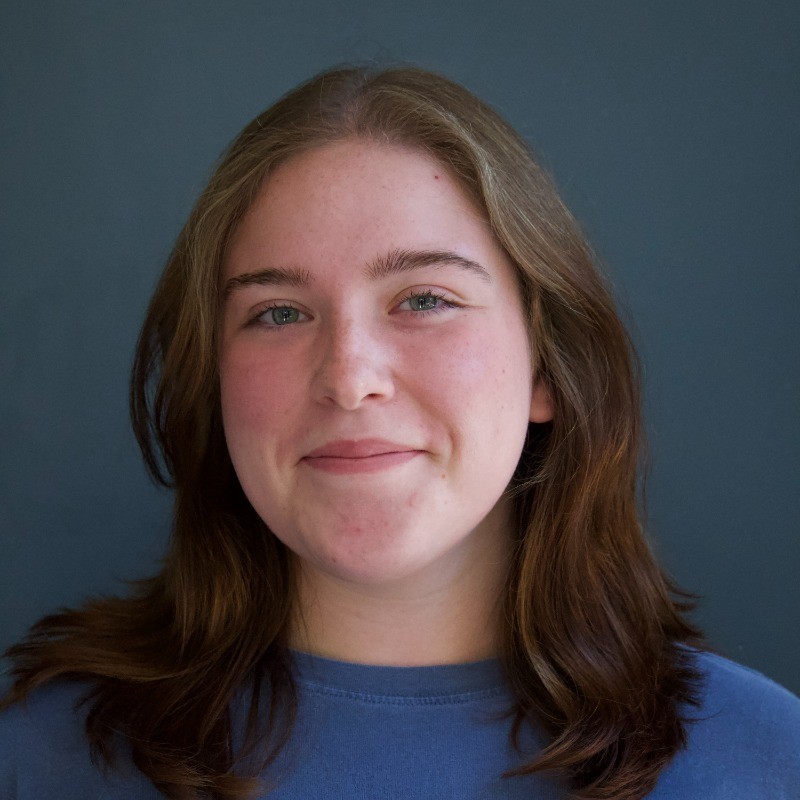
Annie Haegner
Annie Haegner is a 2026 graduate of Texas State University, where she earned a B.S. in Geography Resources and Environmental Studies. She developed an interest in sustainable agriculture practices and the role they play in combating climate change and land degradation. As a Discovery Center intern with the City of San Marcos, Annie propagated native plants and helped with education and outreach events to create stewards of habitat, and she became passionate about education and outreach. Annie hopes to combine what she learned from the Discovery Center and her deepened knowledge of sustainable agriculture and soil health from SHI to use in future work for a Land Conservancy focused on working lands and to improve land management practices. Annie also enjoys spending time on the San Marcos River, paddling, and picking up litter. At home, she maintains a small patio garden and vermicompost, looking into how, even in small spaces, you can compost and have a garden.
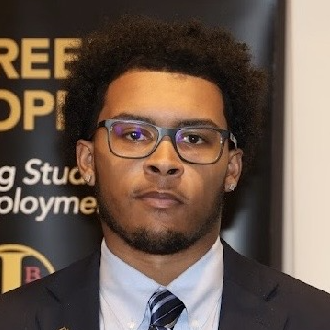
Stephen Neal
Stephen Neal is a rising junior majoring in Sustainable Land & Food Systems at North Carolina Agricultural & Technical State University. Stephen’s land science passion stems from growing up on a farm in southern Maryland. As a 2026 Soil Health Institute Intern, Stephen will be helping with assessing soil health regeneration. SHI’s mission to empower farmers and other landowners with the knowledge to successfully adopt regenerative soil health systems directly lines up with Stephen’s career goal of improving the soil health and overall operations of small and disadvantaged farmers across the world. On campus, Stephen works as an Undergraduate Research Assistant in the Soil Sustainability Lab where he assists Ph.D. students, graduate students and research associates with various tasks involving soil health research.
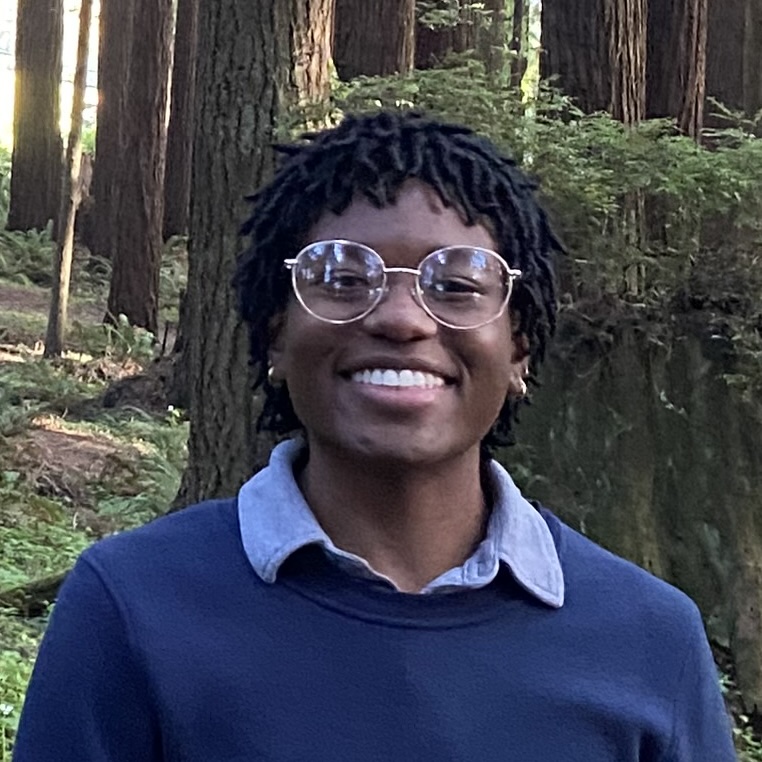
Jakaila Burrell
Jakaila Burrell is a Forestry student at Bakersfield College and a 2025 summer intern at the Soil Health Institute, helping with research on soil aggregate stability. Born and raised in California’s San Joaquin Valley, Jakaila was drawn to SHI because of its commitment to supporting farmers and educational outreach. SHI’s mission closely aligns with Jakaila’s staunch belief in the ready accessibility of education and natural resources. Jakaila serves as a docent at Wind Wolves Preserve for the Wildlands Conservancy, and participates in the Forestry and Natural Resources Mentorship Program.

Arianna Gilliam
Arianna Gilliam is an undergraduate student at Prairie View A&M University, where she studies Agriculture with a concentration in Plant and Soil Science. As a 2025 intern with the Soil Health Institute, she is assisting in research on soil aggregate stability using the Slakes application. Passionate about plant and soil conservation, Arianna is committed to contributing to maintaining crop productivity and ecosystem health for future generations. On campus, Arianna actively volunteers by helping manage multiple garden beds and participating in community engagements.
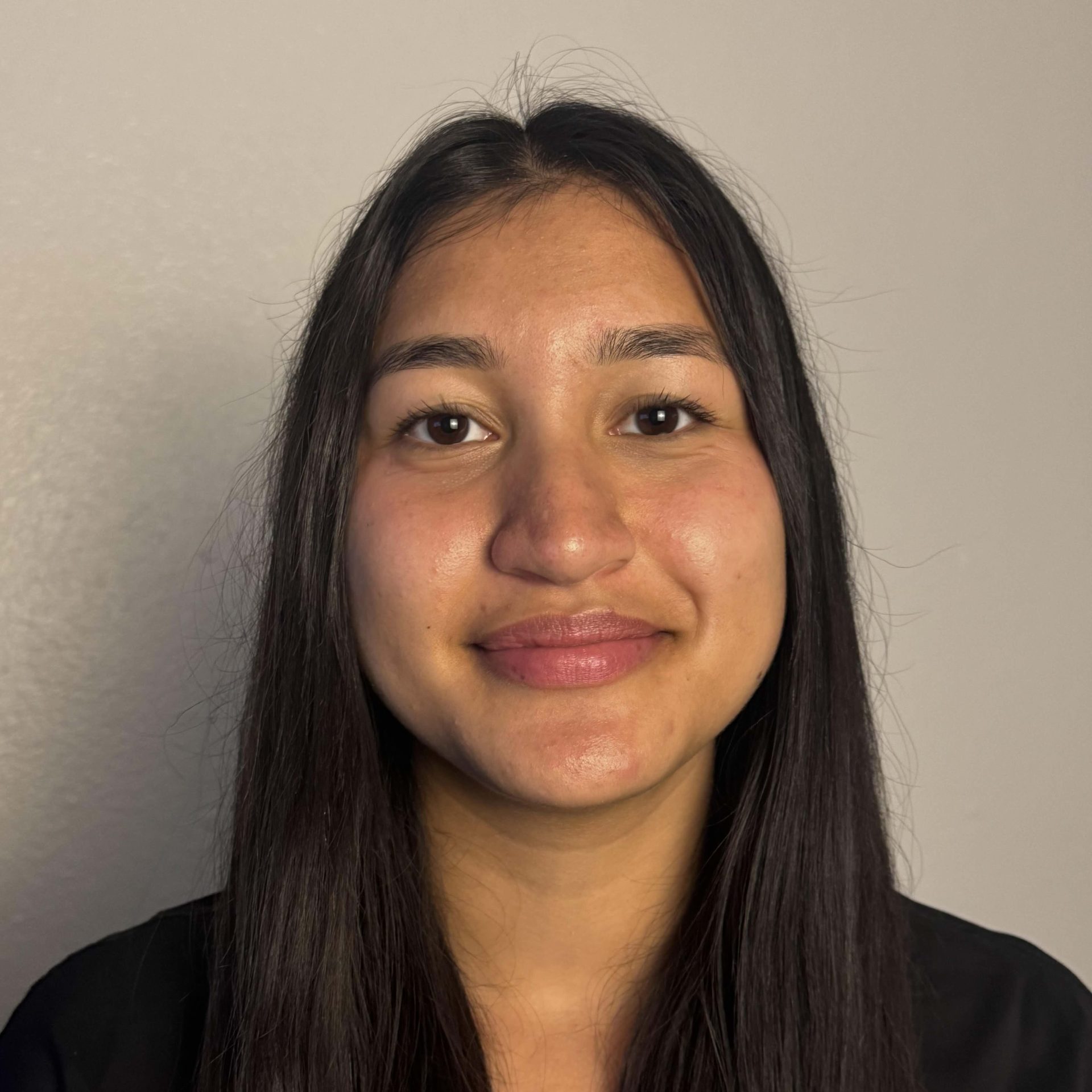
Molly Rawat
Molly Rawat is an undergraduate student attending Texas State University in San Marcos. Majoring in Agriculture with a minor in Plant and Soil Sciences and as an intern with SHI, she aspires to improve her knowledge of soil health and its practical application in food and fiber systems. Alongside fellow 2025 Summer Interns, she is helping SHI with research regarding Slakes as a measurement tool for aggregate stability, a crucial soil health indicator. As a writing center consultant at her university, Molly loves to facilitate the development of students’ writing skills and hopes to translate this passion into supporting the livelihoods and success of farmers and ranchers.
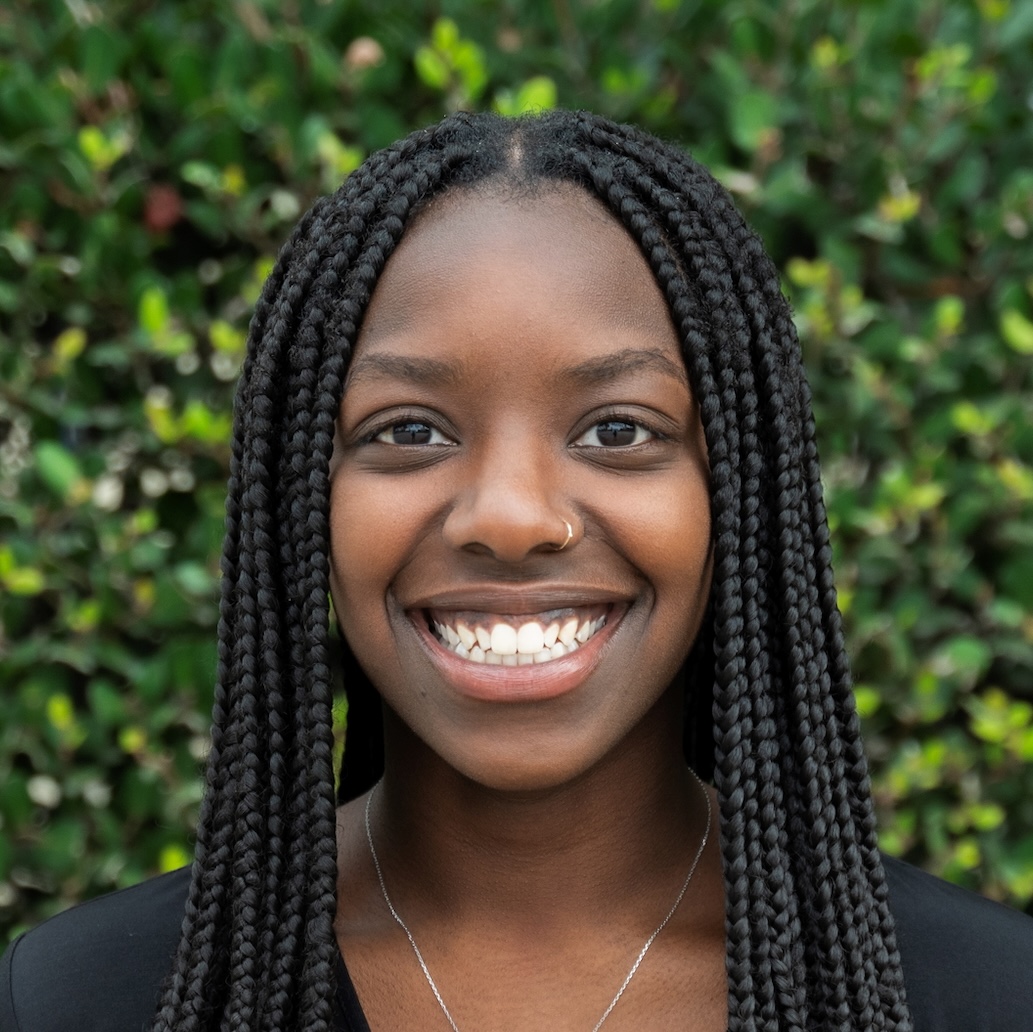
Zumaya Toussaint-Farrell
Zumaya Toussaint-Farrell is an undergraduate student pursuing a B.A in Environmental Analysis at Pomona College in California. As an intern with SHI she is working with the Slakes app to assess soil aggregate stability. Additionally, as an avid gardener and community composter her soil science interest centers around nutrient cycling mediated by microbial communities in soil, and heavy metal remediation through soil amendments. Zumaya plans to pursue a Ph.D. in Biogeochemistry after completing her B.A. She is also a poet and autobiographical writer, blending Afrofuturism, magical realism and nature poetry reimagining science fiction through a Black oratory literary tradition.
Dr. Francisco Arriaga is an Associate Professor and Extension State Specialist with the Department of Soil Science at the University of Wisconsin-Madison and UW-Extension. His research and outreach programs focus on soil management practices for enhanced crop productivity while remaining protective of the environment with an emphasis on soil health and water quality. Dr. Arriaga is the recipient of the Rothermel-Bascom Professorship in Soil Science and is a fellow of the Soil and Water Conservation Society.
Dr. Andrea Basche is an Assistant Professor in Cropping Systems at the University of Nebraska-Lincoln’s Department of Agronomy and Horticulture Department. Her research focuses on developing and supporting cropping systems that address profitability, resource use efficiency and climate risks. This includes improving soil health, increasing use of cover crops and perennial crops, as well as understanding the social and policy dimensions required for change. In her role, she also teaches undergraduate courses in crop management. Dr. Basche holds a B.S. in biology from Fordham University, a M.A. in applied climate science from Columbia University, and a Ph.D. in agronomy and sustainable agriculture from Iowa State University. Learn more about her teaching, research and outreach at: https://agronomy.unl.edu/basche/
Dr. Julie Howe is Associate Professor of Soil Chemistry and Fertility at Texas A&M University. Her focus is on cycling and fate of nutrients and carbon at various levels from fundamental reactions to field-scale processes. She divides her research focus into three areas: impact of agricultural management on nutrients and soil carbon, development and efficacy of fertilizers, and processes that improve soil health. Dr. Howe teaches a large enrollment introductory soil science course, a graduate level advanced soil chemistry and fertility course, and a brewing materials course. She is also serving as co-advisor for the department’s Agronomy Club. She holds a B.S. and M.S. from Texas A&M in Bioenvironmental Sciences and Soil Science, respectively, and a Ph.D. from University of Wisconsin-Madison in Soil Science with focus in soil chemistry. For more information, please visit her website at https://soilcrop.tamu.edu/people/howe-julie-a/.
Dr. Machado is a Professor of Crop Physiology/Agronomy at the Oregon State University (OSU) Columbia Basin Agricultural Research Center (CBARC) located near Pendleton, east of the Cascades. He has a Diploma in Animal Science and B.S. in Agriculture from the University of Swaziland, M.S. in Crop Physiology from Reading University in England, Ph.D. in Crop Physiology/Agronomy from Kansas State University, and M.B.A. from Eastern Oregon University. Dr. Machado was Principal Research Officer at the Department of Research and Specialist Services in Harare, Zimbabwe, conducting research on wheat and barley, and the Principal Investigator of a Precision Agriculture Project involving 12 scientists at the Texas A&M University’s Experiment Station in Lubbock, Texas. Dr. Machado joined OSU in 2001 and is currently stationed at CBARC where he is responsible for conducting cropping systems research to develop economically and biologically sustainable agricultural practices for cereals, legumes, and new crops. His research work includes crop rotations, long-term experiments, alternative crops, drought tolerance, site-specific farming, and organic farming. Dr. Machado is also involved regionally, nationally, and internationally. He has served as an Associate Editor for the Agronomy Journal, the President of the Biometry Division of the Tri-Societies (American Society Agronomy, Crop Science Society of America, Soil Science Society of America), and the President of the Western Crop Science Society of America. Dr. Machado is currently serving as an Associate Editor for the Frontiers in Sustainable Food Systems Journal (Water-Smart Food Production). He is a co-founder of the Association of African Agricultural Professionals in the Diaspora (AAAPD), which is actively involved in capacity building and the development of African small holder agriculture.
Dr. Kate Scow is a Distinguished Professor of Soil Science and Microbial Ecology in the Department of Land, Air and Water Resources at University of California (UC) Davis since 1989. Dr. Scow received her M.S. and Ph.D. degrees in Soil Science from Cornell University. Dr. Scow’s research program investigates relationships between soil microbial diversity and critical soil functions: biogeochemical cycling, soil structure, organic matter and carbon sequestration, as well as connections between soil biology and soil health. Other work includes how indigenous microbial communities can help restore polluted ecosystems and design of low-cost treatment systems to promote bioremediation. Learn more about the Scow Research Program at: http://scowlab.lawr.ucdavis.edu/.

C. Wesley (Wes) Wood, Ph.D.
Dr. C. Wesley (Wes) Wood is Professor of Soil and Water Science and Center Director of the University of Florida Institute of Food and Agricultural Sciences West Florida Research and Education Center located on two campuses (Milton and Jay). Dr. Wood provides administrative leadership and support for teaching, research and extension programs essential to the agricultural, natural resource conservation, environmental and consumer interests of the Florida Panhandle. Prior to joining the University of Florida in 2014, Dr. Wood was a Professor of Soil Science at Auburn University where he taught and conducted research on carbon and nutrient cycling in managed and natural ecosystems. He has published more than 140 refereed journal articles on those topics. Dr. Wood has conducted research in Lithuania, Latvia, Estonia, Tanzania, Ecuador, India, Brazil, South Africa, Kenya, Peru, Thailand, Honduras, Mexico, The Philippines, Haiti, and New Zealand. He served as Associate Editor and later as the Soil Science Technical Editor for the Agronomy Journal. He has received awards for his research, is a Fellow of the American Society of Agronomy, and is a Fellow of the Soil Science Society of America. Information on the West Florida Research and Education Center is at: https://wfrec.ifas.ufl.edu/.
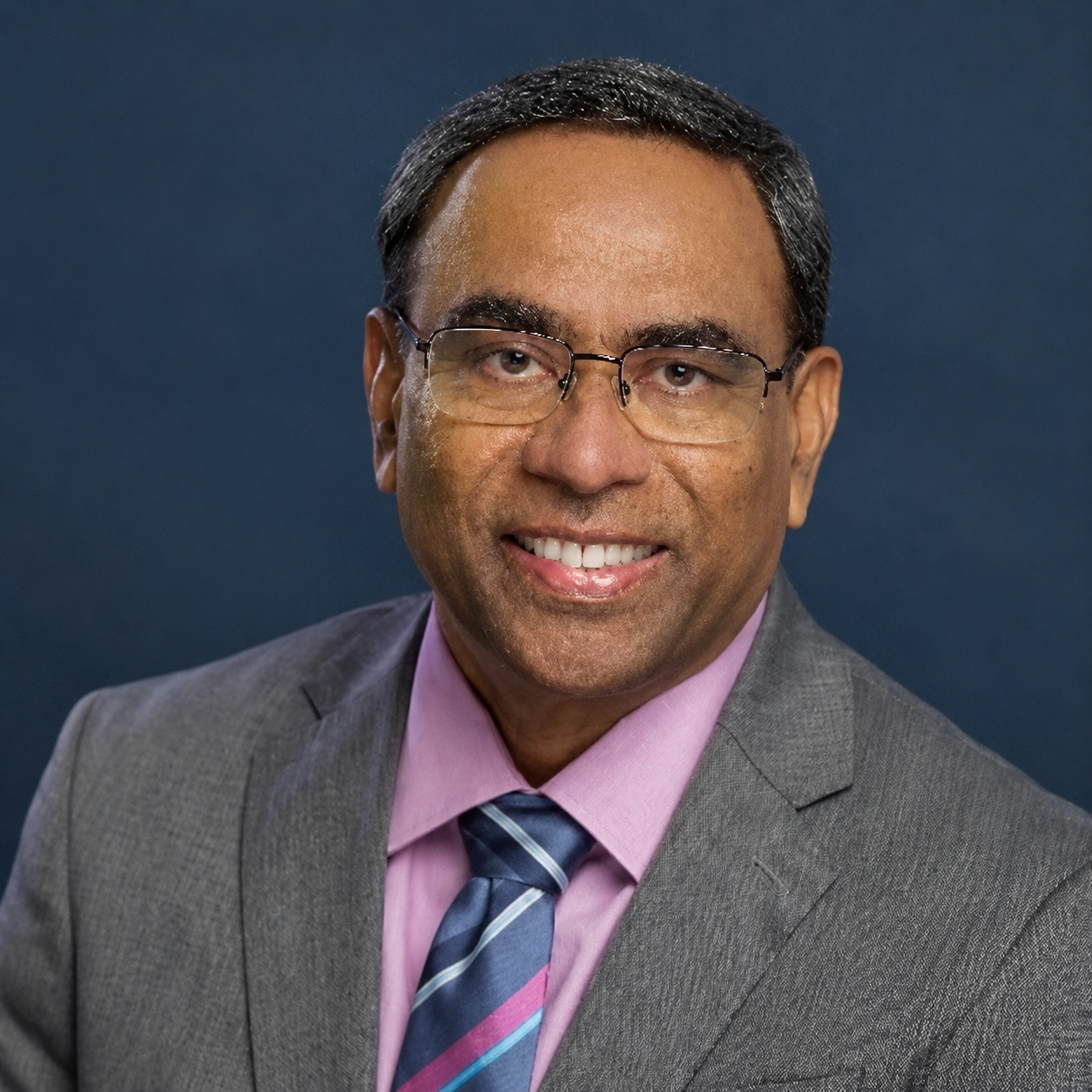
Cecil Dharmasri, Ph.D., MBA
Gates Agricultural Innovations
Dr. Cecil Dharmasri is an accomplished agricultural research and development professional with more than four decades of leadership experience across the public sector, private industry, and nonprofits. Cecil has built a distinguished career driving innovation with deep expertise in agrochemicals and agricultural biotechnology. His professional background includes senior scientific and functional leadership roles as well as extensive experience advancing cross-sector R&D alliances and strategic collaborations that deliver meaningful results. Currently, Cecil serves as a Technical Product Development Liaison with Gates Agricultural Innovations. In addition to his professional achievements, he is deeply committed to knowledge sharing, agricultural advancement, and supporting initiatives that promote environmental stewardship and community development.

Devon Leahy
L Catterton
Devon Leahy is Head of Sustainability at L Catterton where her focus is partnering with portfolio companies to elevate and enhance their sustainability and impact strategies. Previously, she was Global Head of Sustainability at Ralph Lauren, where she led product and environmental sustainability strategy, including setting and driving progress against public commitments to design, source and operate more sustainably. Leahy has worked inside major corporations including Walmart, where she led product and supply chain initiatives and consumer facing marketing campaigns, and Etsy, where she built the company’s first sustainability team and was responsible for setting Etsy’s first public commitments to 100% renewable electricity and running a carbon neutral marketplace. Leahy has also worked in the sustainability field with leading NGOs such as the Environmental Defense Fund and the Environmental Law Institute and in government posts at the Environmental Protection Agency and on Capitol Hill. Leahy holds an MBA in Strategy and Marketing and an MS in Environmental Policy from the University of Michigan’s Erb Institute, as well as a BA in Environmental Policy, Government and Art History from Colby College.

Diana Jerkins
Dr. Diana Jerkins has worked in the area of sustainable agriculture – teaching, conducting research, and managing research funding at land grant universities and with the federal government. She has consulted with and conducted Natural Agriculture research for Shumei International Foundation. Dr. Jerkins wrote in collaboration with Shumei staff “Spirit of the Land”, Shumei Natural Agriculture Philosophy and Practice. She was the Research Director for the Organic Farming Research Foundation in California leading their efforts to provide direct funding to researchers, farmers, and ranchers to conduct scientific research and educational advancements for organic producers. Prior to joining OFRF, Dr. Jerkins was a National Program Leader and Division Director for Integrated Programs with the USDA National Institute of Food and Agriculture (NIFA). Her areas of expertise include food production systems, natural resource use, ecosystem services, and small to medium sized farming systems. She is the board chair for the Soil Health Institute. She holds degrees from Emory University and the University of Georgia in psychology, agronomy, and entomology. She consults nationally and internationally on sustainable agriculture issues, including organic and Natural Agriculture practices. Dr. Jerkins also owns a farm in Virginia producing organic vegetable crops.

Marquitrice Mangham
In Her Shoes
Born and reared in Charleston, Mississippi, Ms. Mangham is a third generation farmer and U.S. Army veteran. She holds a Bachelor’s degree in Political Science and a Master’s degree in Public Administration. After pursuing her Juris Doctorate at Phoenix School of Law, Ms. Mangham continued her 20-year professional career in the public sector as a Community Planner. Upon inheriting her family farmland in Tallahatchie County, Mississippi, in 2016, Ms. Mangham began producing row crops, including soybeans and wheat, on her 180-acre farm. In 2017, Ms. Mangham founded and currently manages In Her Shoes, Inc. (IHS), a nonprofit organization that provides resources and support to socially disadvantaged and underserved farmers in Georgia and the Mississippi Delta through its Farm Business Enhancement Program (FBEP). FBEP’s goal is to increase long term sustainability among socially disadvantaged farm businesses through income diversification and is funded through the US Department of Agriculture. In 2023, IHS received national attention for efforts to increase fresh food access and support small farm businesses in rural communities by opening one of only two grocery stores in Tallahatchie County. The only fresh food retailer within more than a 15-mile radius, it is supported by local farmers.

Rob Myers, Ph.D.
University of Missouri Center for Regenerative Agriculture
Dr. Rob Myers is Director of the MU Center for Regenerative Agriculture and an Extension Professor in the Plant Science and Technology Division. Since 2010, he has also served as Regional Director of Extension Programs for the USDA North Central Region Sustainable Agriculture Research and Education (NCR-SARE) program.
In his leadership role with the Center for Regenerative Agriculture, he administers a $25 million USDA climate-smart grant called the Missouri CRCL Project and also the $10 million National Cover Crop Variety Development Project. He also oversees several other grants with the Center supporting research, education, and extension programs. The Center focuses on farming practices contributing to improved soil health, including use of cover crops, no-till, regenerative grazing, and other conservation approaches.
On behalf of SARE, he administers competitive grants and state funding for sustainable agriculture projects in 12 North Central states. He also serves as the national liaison for the SARE program on cover crop and soil health.
His professional expertise encompasses sustainable and regenerative agriculture, soil health, conservation and cropping system diversification. He has conducted research, education and extension programs with many cover crops and alternative crops. He has also led or served with several national councils and task forces addressing federal conservation programs and agriculture research and education programs.
Dr. Myers grew up on a family grain farm in Illinois that he still helps manage. He obtained his M.S. and Ph.D. degrees in agronomy from the University of Minnesota. He is a Fellow of the American Society of Agronomy, was named Missouri Conservationist of the Year in 2018, and honored with the national Agronomic Education and Extension Award from the American Society of Agronomy in 2022.

LaKisha Odom, Ph.D.
Foundation for Food & Agriculture Research
Dr. LaKisha Odom joined the Foundation for Food & Agriculture Research in September 2016 as a Scientific Program Director to pursue her commitment to promoting the use of innovative science and interdisciplinary thinking to tackle today’s complex challenges in food and agriculture. She is also committed to cultivating increased diversity in a new generation of food and agriculture scientists.
Dr. Odom developed her passion for the intersectional space of research and policy while working at the U.S. EPA in the Office of Research and Development and the Office of Solid Waste and Emergency Response’s Brownfields Redevelopment Program. In her academic career at Tuskegee University, she continued to seek out opportunities to work in interdisciplinary and collaborative science, as a CREATE-IGERT fellow and as a researcher at Teagasc Research facility in Carlow, Ireland. She then had the opportunity to combine her passion for interdisciplinary, innovative research and policy when selected to serve as an early career intern for the Public Policy Board of the American Phytopathological Society. In 2013, Dr. Odom became an American Association for the Advancement of Science and Technology Policy Fellow at the U.S. Department of Agriculture Biotechnology Regulatory Service, where she managed a diverse portfolio which included working with the OECD Working Group for the Harmonization of Regulatory Oversight in Biotechnology.
Dr. Odom received her bachelor’s degree in environmental science from Tuskegee University, her master’s degree in environmental resource policy from The George Washington University, and her doctorate in integrative biosciences from Tuskegee University.

Karen A. Scanlon
Innovation Center for U.S. Dairy
Karen Scanlon provides executive leadership for strategic execution, communications and external affairs for the Innovation Center for U.S. Dairy. In this role, she helps connect strategy to action across teams, strengthens organization-wide visibility and accountability, and ensures the Board of Directors has the insight needed to advance shared priorities. She also leads IC-level communications strategy and coordination, supporting stakeholder engagement, board and committee alignment, and clear reporting of progress and impact. Karen represents the Innovation Center in external affairs work with state and regional checkoff organizations, allied agriculture groups and other partners where collaboration and alignment can advance U.S. dairy priorities.
Scanlon also brings extensive leadership experience in agriculture conservation initiatives, partnership cultivation, and strategy development and execution after serving as executive director of the Conservation Technology Information Center (CTIC) for 11 years. In this role, she worked with strategic partners in the public and private sectors to build innovative and effective programs to achieve sustainability goals and success in a variety of conservation efforts across the United States. Scanlon holds a Bachelor of Science in Journalism from the University of Florida and a Master of Science in Natural Resources Management from The Ohio State University.

Ryan Sirolli
Cargill
Ryan Sirolli is Senior Director, Sustainability Solutions for Cargill. In this role, he is responsible for leading strategy development and implementation of environmental outcomes markets to create new opportunities for farmers – while enabling Cargill and its customers to meet their science-based environmental commitments. The foundation of environmental outcomes programs has been based on advancing the soil health principles, optimizing nutrient management in row crop production along with an increased focus on ruminant livestock production including grazing management and feed optimization both for economic and environmental impacts. The opportunity for Sirolli to learn from farmers and ranchers has reached from North America to South America to Europe. Sirolli has spent his entire career working along the food and agriculture value chain, from managing a row crop and beef operation in Maryland early in his career to leading development of Cargill’s regenerative agriculture and soil health management initiatives in more recent years. Prior to returning to Cargill in 2019, he led similar efforts to advance soil health management systems in the dairy industry for Danone North America. Sirolli holds a B.S. in Animal Science from Virginia Tech and a M.S. in Food and Resource Economics from the University of Delaware. He resides on a small farm in Minnesota with his wife and two daughters.

Andrew Smith, Ph.D.
Rodale Institute
Dr. Andrew (“Drew”) Smith is the Chief Scientific Officer at Rodale Institute, where he oversees the research program and facilitates integration of research with the Institute’s farm operations, education, and consulting departments. He previously served as Chief Scientist and Chief Operating Officer and oversees major grant funded projects operating at Rodale. This includes work at the ~400-acre main campus in Kutztown, Pennsylvania, but also Regional Resource Centers in Chattahoochee Hills, Georgia; Marion, Iowa; Camarillo, California; Rockport, Washington; Pocono Mountains, Pennsylvania; and Parma, Italy. Dr. Smith has over 20 years of experience working in the organic industry and on sustainable agriculture as an agronomist, researcher, and farmer. He spent two years in the Peace Corps in Guatemala helping small vegetable farms reduce pesticide use and adopt integrated pest management. He received his Master’s in Entomology at the University of Maryland working on corn pest management and a Ph.D. in Molecular Ecology from Drexel University. He has managed his own organic farm with his wife for over 20 years, with 10 of those years managing the farm full time. While trained as an entomologist and agronomist, all projects at Rodale Institute include comprehensive measurements of soil health indicators. This includes the long-term Farming Systems Trial, part of the Soil Health Institute’s North American Project to Evaluate Soil Health Measurements. He started Rodale’s Vegetable Systems Trial in 2016 that is intentionally designed to link soil health to human health by measuring soil health indicators and how they relate to changes in crop nutritional profiles. As an organic farmer and applied agroecologist, he understands the challenges farmers face in adopting conservation practices that lead to improved soil health. He has served on several non-profit and agricultural related boards and advisory committees.
JBS
Jason Weller is the Global Chief Sustainability Officer for JBS. He previously served for two years as President of Truterra, a farmer-led and farmer-driven sustainability initiative launched by Land O’Lakes, and for three years as Director of Sustainability for Land O’Lakes SUSTAIN to establish clear metrics and a common language for sustainability that is meaningful for farmers and their core customers.
Weller served for four years as Chief of USDA’s Natural Resources Conservation Service, the nation’s largest working lands conservation organization, where he led a staff of 10,500 employees across the country that works one-on-one with farmers and ranchers to deliver assistance to protect and improve the quality of their operations’ natural resources. While at NRCS, Weller led the effort to significantly expand the agency’s new partnerships with public and private organizations — including agricultural retailers, agricultural supply chain companies, and food companies — to provide innovative and effective services for agricultural producers. Weller also provided the strategic leadership for NRCS’s expanded focus on and investment into soil health, including providing significant financial and technical assistance for public-private partnerships to launch on-the-ground soil health demonstration and education projects, as well leading the creation of NRCS’s new Soil Health Division that is helping to advance the agricultural and conservation communities’ understanding of soil health management.
Prior to serving as Chief, Weller held various agriculture and natural resource conservation leadership positions, including on the U.S. House Appropriations Subcommittee on Agriculture where he provided oversight and crafted legislation to fund USDA programs and activities; on the U.S. House Budget Committee where he helped construct the annual congressional budget for agriculture, environment and energy programs; and in the White House Office of Management and Budget where he assisted with the development and implementation of the president’s budget for USDA conservation programs.
Weller earned a bachelor’s degree from Carleton College in Northfield, Minnesota, and a master's in public policy from the University of Michigan.