Resources
Documents, links, videos, and contacts for advancing soil health.
Filter by:
Applied Filters
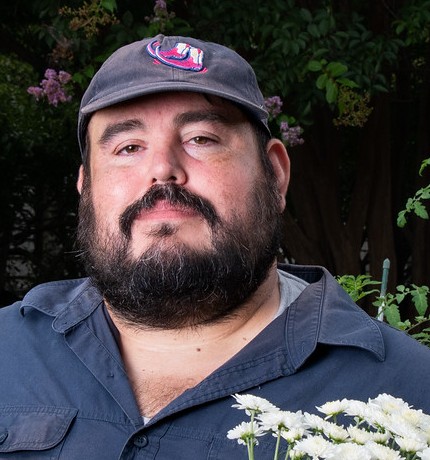


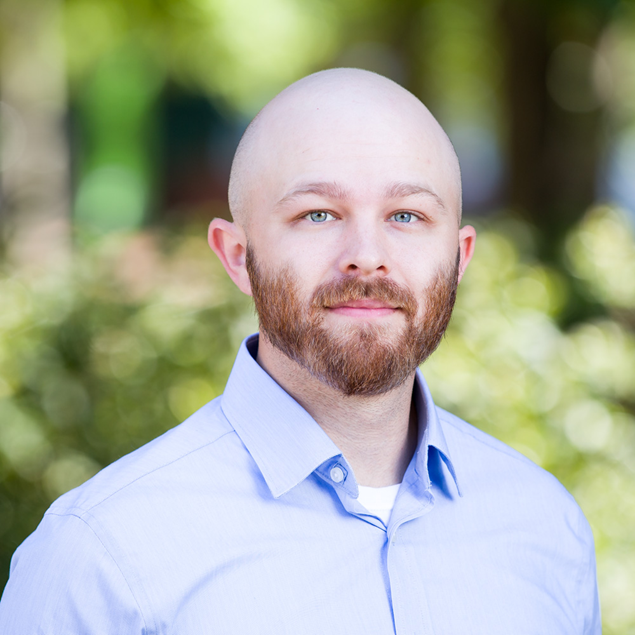
Jorge Penso is a soil health educator with the Pacific Northwest Project. Before joining SHI he served as the Urban Conservationist for the New Orleans Urban Service Center, a new office dedicated to providing NRCS services to urban and small-scale farmers. Prior to that he served as the farm manager for the People’s Garden, a teaching garden located on the National Mall outside USDA headquarters dedicated to educating the public on the benefits of growing your own food and participating in local food systems. Jorge holds a B.S. in Environmental, Crop and Soil Science and a B.A. in Economics from Texas Tech University.
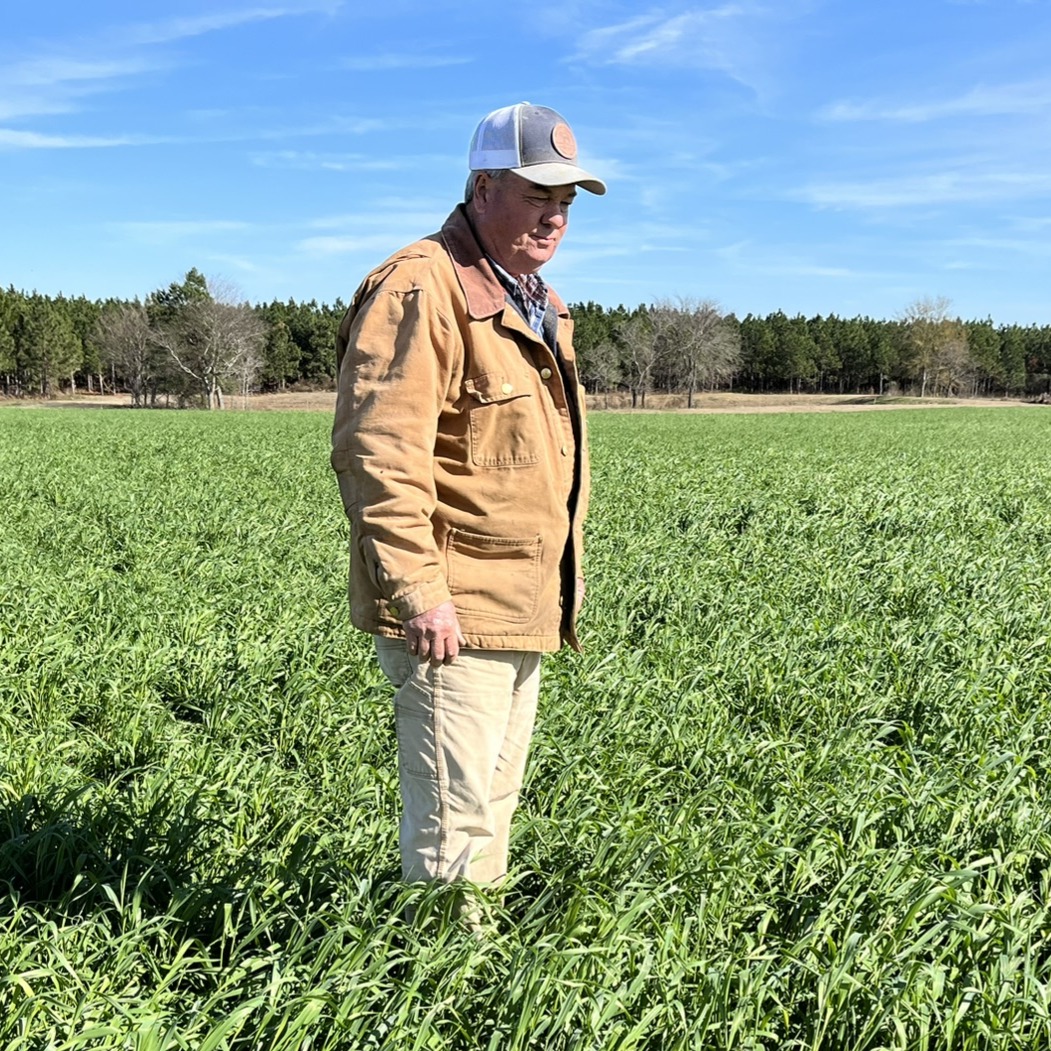
Mike Lucas
- GA
Mike Lucas farms a row crop and cattle operation in Cochran, Georgia. Mr. Lucas is using cover crops, implemented with the help of local NRCS staff, to increase grazing days for his herd and for cost savings. He continues these practices not only for grazing, but also for nitrogen credit and soil moisture infiltration. Mike routinely shares his success story at field events hosted on his farm.
If you have any questions regarding soil health and cotton systems for Mike, you can contact him through our Soil Health Educator Jessica Kelton at jkelton@soilhealthinstitute.org.
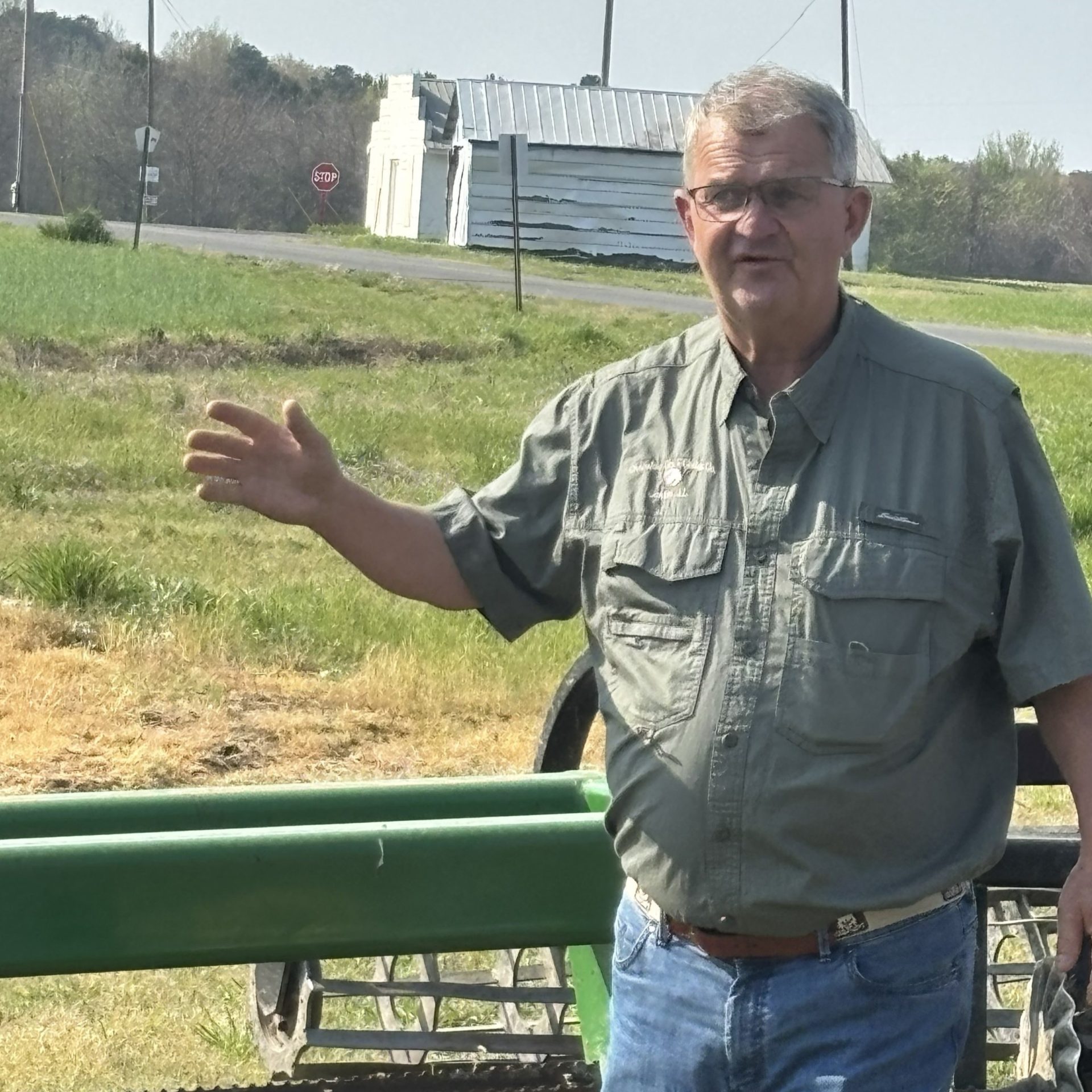
Nick McMichen
- AL
Nick McMichen and family operate a diversified row crop operation in Alabama founded 1845. The farm is committed to the protection of soil and the environment with the use of conservation-focused practices every year. Mr. McMichen is also committed to the agricultural industry, with roles in many farming organizations and marketing programs like the U.S. Trust Protocol. Nick and his wife, Freida, live in Centre, AL.
If you have any questions regarding soil health and cotton systems for Nick you can contact him through our Soil Health Educator Jessica Kelton at jkelton@soilhealthinstitute.org.
Chandler Gruener, Ph.D.
- AL
Dr. Chandler Gruener is an Assistant Professor and Soil Health Extension Specialist with Auburn University. His program covers topics of soil quality, conservation, and fertility. He has worked with cover crops, focusing on perennial ground covers in the Southeast US between planted cash crop rows. He has also worked with many annual cover crops as well. His research interests also include nutrient cycling in systems, as well as other key indicators of soil health.
If you have any questions regarding soil health and cotton systems for Dr. Gruener, you can contact him through our Soil Health Educator Jessica Kelton at jkelton@soilhealthinstitute.org.
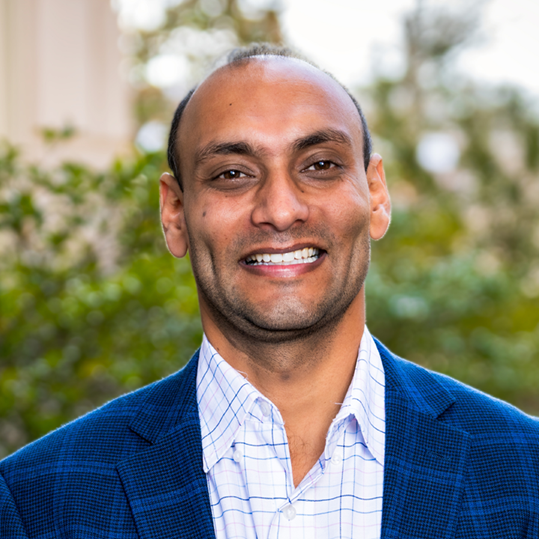
Simer Virk, Ph.D.
- AL
Dr. Simer Virk is an Associate Professor in the Department of Biosystems Engineering at Auburn University and an Extension Specialist with Alabama Cooperative Extension. His applied research focuses on using advanced machinery systems and precision agriculture technologies in row crop production. This includes planting and spraying systems, variable rate technology, unmanned aerial vehicles, remote-sensing, yield mapping and data management in agriculture.
If you have any questions regarding soil health and cotton systems for Dr. Virk you can contact him through our Soil Health Educator Jessica Kelton at jkelton@soilhealthinstitute.org.
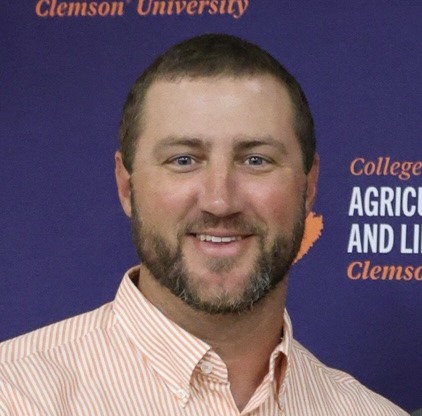
Ty Woodard
- SC
Ty Woodard is a third-generation farmer based in Darlington County, South Carolina. Together with his father Frankie, and brother Wes, Ty operates Woodard Farms, managing over 5,800 acres of cotton, peanuts, corn, soybeans, timber, and beef cattle.
In 2018, Ty and his wife Tracy founded Covered in Cotton, a farm-based business producing cotton goods made exclusively from cotton grown on their farm. The company also supports the community by donating blankets to a local children’s hospital and family ministry—over 1,300 to date. Ty also operates a beef processing business and manages an on‑farm hunting preserve.
Woodard Farms has implemented sustainable farming practices, including strip‑till, cover crops, precision agriculture, and enrollment in Climate‑Smart programs to improve yields and conserve resources.
Ty is also deeply involved in the community, serving in leadership roles within the Darlington County Farm Bureau and Young Farmer association, and coaching Little League.
If you have any questions regarding soil health and cotton systems for Ty, you can contact him through our Soil Health Educator Emily Ball at eball@soilhealthinstitute.org.
John Michael Pillow
- MS
John Michael Pillow is a fourth-generation row crop farmer from Flora, Mississippi. Over the years, he has grown cotton and other crops while managing his family’s farm for more than 15 years before beginning to farm full-time on his own in 2011. John Michael is deeply committed to conservation, implementing soil health practices across his operation, and was recently recognized as the 2025 Delta Council Conservation Farmer of the Year. He enjoys traveling with his wife and three children and is an avid hunter. If you have any questions regarding soil health and cotton systems for John Michael, you can contact him through our Soil Health Educator Jessica Kelton at jkelton@soilhealthinstitute.org or 334-200-4770.
Jimmy Smith
- OK
Jimmy Smith is a fourth-generation farmer at Smith Farms, where he grows cotton and rye in western Oklahoma. After receiving his bachelor’s degree in business administration, Jimmy returned to the farm where they used rye as a cover crop for erosion control. For years he used conventional tillage, until switching to strip tilling in 1998. In 2010, he began no-tilling in both cotton and rye, and have continued this process, only strip-tilling in bad compaction zones like turn rows and module storing locations.
Over the years of no-tilling cotton, the Smiths found that stubble damage to original planter gauge wheel tires was a big problem in their operation. In 2012, the Smiths and another farmer started working with a machinist to build an indestructible gauge wheel tire. After testing the 4AG gauge wheel tire on their farms for five years, they began distributing the product through their company, 4AG Manufacturing. If you have any questions regarding soil health and cotton systems, you can contact Jimmy or Spencer via our Soil Health Educator Emily Ball at eball@soilhealthinstitute.org.
Spencer Smith
- OK

Odiney Alvarez-Campos, Ph.D.
- DE
- IL
- IN
- IA
- KS
- KY
- MD
- MI
- MN
- MO
- NE
- NY
- NC
- ND
- OH
- PA
- SD
- TN
- VA
- WI
Dr. Odiney Alvarez-Campos is a Soil Health Educator and Project Manager for the Farmers for Soil Health initiative. Prior to joining SHI, she served as an Environmental Compliance Advisor with the United States Agency for International Development (USAID), where she provided technical assistance and training on agricultural best practices and environmental procedures to staff and international partners. Odiney was awarded a 2020-2022 AAAS Science & Technology Policy Fellowship and placed at USAID. She also previously served as a Postdoctoral Researcher at Purdue University investigating groundwater recharge zones and flow paths in Arequipa, Peru.
Odiney is a member of the Soil Science Society of America, Agronomy Society of America, and American Association for the Advancement of Science (AAAS). She obtained a Ph.D. in Crop and Soil Environmental Sciences from Virginia Tech, a M.S. in Soil and Water Sciences from the University of Florida, and a B.S. in Agricultural Sciences from EARTH University in Costa Rica. Her research focused on soil amendments and their effects on soil health, crop productivity, and water quality.

Madeline Tomé is a Soil Health Educator with the U.S. Regenerative Cotton Fund. Before joining SHI, she worked with the USDA-NRCS as a Soil Health Specialist and Soil Scientist in California, where she collaborated with farmers and conservation partners to conduct soil health assessments, promote regenerative agriculture practices, and lead field-based demonstrations. Prior to this, she worked as a student at the Colorado State University MLRA Soil Survey office. Here she assisted with soil descriptions and surveys, and completed a fellowship focused on the dynamic properties of wildfire-affected soils. Madeline previously held a career as a special education instructor in Colorado and Michigan. She holds a B.S. in Restoration Ecology with a minor in Soil Science from Colorado State University.

Courtney Cosdon
- ID
Courtney Cosdon is a Soil Health Instructor working for University of Idaho Extension and the USDA NRCS. She fosters collaboration between producers and agricultural professionals to encourage the adoption of soil health practices. She fills the gaps in regionally relevant soil health resources as well as develops and delivers soil education programs for Idahoans of all ages. She regularly organizes field days and workshops in the summer and presents at conferences and hosts online educational events in the off season. Courtney is located in Boise and serves Southern Idaho. If you have questions regarding soil health and potato systems, you can contact Courtney through Program Director Dr. Mara Cloutier at mcloutier@soilhealthinstitute.org.

Frank Appleberry
- AR
Frank Appleberry is a third-generation farmer from Tillar, Arkansas. Over the years, he has grown cotton, rice, corn, soybeans, and raised cattle on his family’s farm. A longtime innovator, Frank and his father began experimenting with cover crops and reduced tillage in the early 1970s and continues to integrate new technologies like environmental monitoring stations, moisture probes, and precision planting. He uses a selective approach to herbicide application and is a strong advocate for the benefits of cover crops. Frank and his family were named Drew County’s Farm Family of the Year in 1990 and 2015, and he remains active in the community through his involvement with NRCS, McGehee Producers Gin, and Ducks Unlimited. If you have any questions regarding soil health and cotton systems for Frank, you can contact him through our Soil Health Educator Emily Ball at eball@soilhealthinstitute.org.

Gary Martin
- CA
Gary Martin is the manager of Pikalok Farming, a four-generation family farm, growing 1,450 acres of diversified crops located in the Firebaugh/Mendota region of western Fresno County. In 2024, he was named Chair of the Board of Directors for the California Cotton Ginners and Growers Association, recognizing his longstanding leadership in California agriculture.
A recipient of the 2012 Conservation Tillage Farmer Innovator Award, Gary has been a trailblazer in minimum tillage systems for cotton. Long before reduced-pass systems became mainstream, he and his team at Pikalok engineered and refined a state-of-the-art approach to cotton tillage. Their innovative equipment modifications and “pass-combining” techniques have significantly reduced fuel use and labor while improving soil structure and resilience.
Committed to soil health, Gary transitioned from using poultry manure to incorporating municipal compost and cover crops as more sustainable and cost-effective strategies. He later added gypsum to further enhance water infiltration and organic matter. While he acknowledges that cover cropping without irrigation carries risk in dry years, he believes composting offers a more reliable return on investment.
Gary is a long-time contributor to the Conservation Agriculture Systems Innovation (CASI) Workgroup and frequently shares his knowledge through CASI meetings, field days, and educational videos. With a steadfast commitment to continuous improvement, Gary and his family at Pikalok Farming are helping to shape the future of regenerative cotton production in California.
If you have any questions regarding soil health and cotton systems, you can contact Gary via Soil Health Educator Jessica Kelton at jkelton@soilhealthinstitute.org or 334-200-4770.

Molly McIlquham is a Soil Health Educator with the McCain Regional Conservation Partnerships Program working to advance regenerative agriculture in potato cropping systems in Wisconsin and Maine. Before joining the Soil Health Institute, she served as an Extension Coordinator at Washington State University, spearheading outreach and education for the Washington Soil Health Initiative. Molly holds a B.S. in Crop and Soil Science from the University of Wisconsin–River Falls and an M.S. in Soil Science from Washington State University, where her research focused on conducting a soil health assessment in vineyard systems.

Pat Rogers
- SC
Pat Rogers of Blenheim, South Carolina, farms with his family and grows cotton, peanuts, corn, soybeans, and wheat. He utilizes cover crops and reduced tillage in a systems-based approach to his farm for conservation and yield enhancement. Precision farming technology and conservation are the components he enjoys most about farming. A graduate of Clemson University, he enjoys cheering on their football team each fall.
If you have any questions regarding soil health and cotton systems for Pat, you can contact him through our Soil Health Educator Emily Ball at eball@soilhealthinstitute.org.

Barry Evans
- TX
Barry Evans of Swisher County, Texas, is a fourth-generation farmer who is committed to making his land better for future generations. He grows cotton and grain sorghum in rotation on his 4,500 acres, using no-till practices to help capture rainfall in the arid Texas climate. Sometimes in place of grain sorghum, Barry has planted wheat and other cover crops to help build soil health. Barry utilizes low-energy precision application technology for irrigation, which efficiently delivers water directly between the furrows, achieving 95 percent efficiency rate. Each year his family reviews seed variety test results from Texas A&M AgriLife Extension Service to ensure they select the best varieties suited to their growing environment.
If you have any questions regarding soil health and cotton systems for Barry, you can contact him through our Soil Health Educator Emily Ball at eball@soilhealthinstitute.org.

Ricky O. Dollison Sr.
- GA
Ricky O. Dollison Sr. of Poulan, Georgia, is a fourth-generation farmer renowned for his indomitable spirit and unmatched expertise in agriculture. With over two decades of hands-on experience, Ricky has navigated from the fields to boardrooms, showcasing dedication, innovation, and leadership. Coming from a rich farming legacy, Ricky excels in livestock management and crop rotations, ensuring efficient farming operations. As the visionary behind AgFirst Community Cooperative, he pioneers collaborative farming and sustainable practices, ensuring the profitability of family farms.
Ricky’s impact extends through community education and advocacy, supporting local farming communities with his expertise in Farm Service Agency and U.S. Department of Agriculture loan products. His diverse background includes working as a technician for South Georgia Natural Gas, where he honed technical skills and gained valuable industry experience, as well as biomedical technology and service in the Georgia Army National Guard. A leader in agricultural advancement, Ricky bridges traditional farming with modern practices through roles with AgFirst and the Farm Journal Foundation. His commitment to knowledge and communication shines through initiatives like Natural Resource Conservation Service agent training and Toastmasters.
Ricky O. Dollison Sr. is not just a farmer; he’s an agricultural visionary and community leader whose transformative journey inspires innovation and collaboration in agriculture worldwide.
If you have any questions regarding soil health and cotton systems for Ricky, you can contact him through our Soil Health Educator Jessica Kelton at jkelton@soilhealthinstitute.org.

Shane Isbell
- AL
Shane Isbell of Cherokee, Alabama, is a fifth-generation farmer who defines soil health as fields with no erosion, that are high in organic matter, and have plenty of earthworms. No-till farming and crop rotation have made his soil very healthy. Working with his father, he’s learned to not just focus on this year’s crop, but to figure out ways to help his son and future generations.
If you have any questions regarding soil health and cotton systems for Shane, you can contact him through our Soil Health Educator Jessica Kelton at jkelton@soilhealthinstitute.org.

Donny Lassiter
- NC
Donny Lassiter of Conway, North Carolina, is a third-generation farmer. On his family’s farm they grow peanuts, corn, non-GMO soybeans, wheat, barley, and pumpkins—but what he’s most passionate about is producing cotton. For the past 20 years, cotton is what his family has been able to rely on. Donny plants cover crops, such as wheat, rye and oats, in the fall and winter, which have helped conserve soil nutrients, suppress weeds, and control erosion. He has transitioned from strip-till to no-till practices in his fields in an effort to reduce fuel and improve efficiency. Additionally, Donny uses a diverse crop mix to increase soil health.
If you have any questions regarding soil health and cotton systems for Donny, you can contact him through our Soil Health Educator Emily Ball at eball@soilhealthinstitute.org.

Annie Dee
- AL
- MS
Annie Dee is a part owner of Dee River Ranch, a 10,000 acre farm near Aliceville, Alabama. This family-operated farm in the Black Belt region consists of row crops and timber. Dee River Ranch utilizes precision agriculture and energy conservation. All row crops are planted on 30-inch beds or hips using no-till. Fields are hipped in the fall and then a single or a mixture of cover crop species are planted. Their systems are constantly being modified to improve soil quality and productivity by building soil organic matter. The farm also engages in collaborations with several universities in irrigation research projects, and crop variety and fungicide trials.
Annie earned her bachelor’s degree in Animal Industries from Clemson University. Annie has been involved with a large variety of organizations including the Alabama Soybean and Corn Association, Pickens County Farmers Federation, West Alabama Food Bank, Soybean Innovation Lab Advisory Board administered through University of Illinois, USDA Cover Crop Advisory Board, National Association of Conservation Districts, Farm Journal Foundation, United Soybean Board, and the Alabama Soybean Producers. She currently serves on the NRCS State Advisory Board, the Simplot Grower Solutions Grower Council, and the Agriculture Advisory Council of the Birmingham branch of the Federal Reserve Bank of Atlanta. Annie has worked with the Howard G. Buffett Foundation on “Invest an Acre” and “Harvesting the Potential” programs.
If you have any questions regarding soil health and cotton systems for Annie, you can contact her through our Soil Health Educator Jessica Kelton at jkelton@soilhealthinstitute.org.

Zeb Winslow
- NC
Zeb Winslow of Scotland Neck, North Carolina, is a fifth-generation farmer. His venture into soil health started under the guidance of his father, particularly after he began to cultivate cotton using a strip till system, a technique he adopted after working with the Fishing Creek Soil and Water Conservation District in the late 1990s. This method involved the use of a cereal grain as a cover crop, which was terminated early to prevent excessive growth. On Zeb’s 900 acre farm, he employs a varied crop rotation strategy including corn, soybean (both full season and double crop), wheat, and cotton. He combines no-till planting methods with a variety of cover crops to enhance soil health.
If you have any questions regarding soil health and cotton systems for Zeb, you can contact him through our Soil Health Educator Emily Ball at eball@soilhealthinstitute.org.

Noah Goza
- OK
Noah Goza of Oklahoma leads the FarmComp department at Heartland Soil Services. This department focuses on helping farmers with conservation practices such as precision nutrient management, cover crops, no-till, and conservation crop rotation. The department works closely with SHI, Natural Resources Conservation Service (NRCS), and other partners in conservation to provide education and assist farmers implementing new practices. Before he was a FarmComp Account Manager, he worked as a precision agronomist at a cooperative and at a private ag retailer. He began focusing on conservation in 2019 when he became an NRCS Technical Service Provider. Noah received his B.S. in Soil and Crop Science from Colorado State University. He holds several Certified Crop Adviser (CCA) certificates and is on the Kansas CCA Board of Directors.
If you have any questions regarding soil health and cotton systems for Noah, you can contact him through our Soil Health Educator Jessica Kelton at jkelton@soilhealthinstitute.org.

Tamara Daniel
- TX
Tamara Daniel of Texas serves as the Executive Director for the Association of Texas Soil and Water Conservation Districts (ATSWCD). Before her current position, she worked at both the ATSWCD and the National Association of Conservation Districts for more than 20 years. Before her time in conservation, Tamara worked for Congressman Henry Bonilla on agriculture and natural resource issues. She is a graduate of Texas Tech University, where she received a degree in Agriculture Communications.
If you have any questions regarding soil health and cotton systems for Tamara, you can contact her through our Soil Health Educator Jessica Kelton at jkelton@soilhealthinstitute.org.

Doug Newton
- SC
Doug Newton of Clio, South Carolina, is a Cover Crop Specialist at Scout Seed Co. and an advisor at Carolina Agronomy. Doug has 49 years of farming experience and describes himself as a long-time cover crop advocate. In 1976 he began farming full-time in partnership with his dad on their conventionally tilled farm, but Doug believed there was a more efficient way of farming. In 1993 he had the opportunity to test if no-till could be used on his farm. Doug travelled to Tennessee to participate in a two-day seminar on no-till, where he saw fields that had been in continuous no-till for 14 years. One of the most thought-provoking things he witnessed during the seminar was the side-by-side display of a conventional field and a no-till field. Seeing that, he decided to start with a five-acre test field. Doug’s initial experiment yielded positive results, prompting him to adopt no-till practices and incorporate cover crops into his farming operation.
If you have any questions regarding soil health and cotton systems, you can contact Doug at 843.992.3593.

Bill Robertson, Ph.D.
- AR
Dr. Bill Robertson of Bradford, Arkansas, focused on sustainable cotton production that emphasized soil health which included cover crops, reduced tillage, and crop rotation over the course of his Extension appointment at the University of Arkansas System Division of Agriculture, before retiring in January 2023. Over his years in Extension, he paved the way for improved recommendations and sustainable fiber production in Arkansas. He possesses a great understanding of soil health and its connection to sustainability, which allowed his research to have positive impacts across the cotton industry. Upon retirement, Dr. Robertson is looking forward to spending time with his wife, Carey, and continuing to improve the soil health and overall productivity at his own farm. Dr. Robertson serves as a Technical Specialist for USRCF in Arkansas.
If you have any questions regarding soil health and cotton systems, you can contact Bill at 501.425.0549.

Parker Frew of Greenville, Mississippi, is a Program Manager/Field Conservationist at Delta F.A.R.M. and a Wildlife Biologist with Delta Wildlife. As Program Manager, he focuses on engaging farmers to increase adoption of practices that advance cover crops, soil health, water quality, and irrigation efficiency. Parker received a degree in Environmental Science from Delta State University. Before joining the Delta F.A.R.M. and Delta Wildlife, he worked for the Natural Resources Conservation Service.
If you have any questions regarding soil health and cotton systems, you can contact Parker at 662.931.0561 or parker@deltawildlife.org.

Dr. Lindsey Slaughter of Lubbock, Texas, is an Associate Professor of Soil Microbial Ecology and Biochemistry in the Department of Plant & Soil Science at Texas Tech University. As a professor, she teaches an introductory soil science course for undergraduate students, and both graduate and undergraduate courses in soil microbial ecology. Dr. Slaughter received her bachelor’s degree in Natural Resource Management from the University of Tennessee-Martin, and her master’s degree in Plant and Soil Sciences is from the University of Kentucky. Her doctorate in Soil Science is from the University of Kentucky. A primary goal of Dr. Slaughter’s research is to inform management decisions in semi-arid systems that lead to greater soil health and ecosystem function.
If you have any questions regarding soil health and cotton systems, you can contact Lindsey at lindsey.slaughter@ttu.edu.

We are fortunate to have three University of Georgia Extension Foundation Agents serving as SHI Technical Specialists. If you have any questions regarding soil health and cotton systems in Georgia, feel free to reach out to Peyton at psapp@uga.edu.
Peyton Sapp has been a Jefferson County Extension Coordinator for the University of Georgia (UGA) Extension since 2008 and began his Extension career in 1994. He graduated from the Animal and Dairy Science Department and obtained his master’s degree in Extension Education from the UGA. With 30 years of Extension work, Peyton’s had the opportunity to serve in various counties where he has developed an appreciation for helping growers improve their on-farm management to better their production systems. Peyton says that he has always worked extremely hard to develop a solid, one on one working relationship with growers. He enjoys attending conferences to network with other educators and growers to learn more about techniques that have made them successful. Through his local programming, Peyton developed a replicated cover crop study to evaluate the long-term impacts of cover crops in a corn, cotton, and peanut rotation. There are four treatments: rye, rye/clover, six species mix, and no cover. Peyton is attempting to monitor the changes over time in soil organic matter, moisture holding capacity of the soil, crop yields, nematodes, production input costs, etc. This study is in the third year and has already highlighted how dynamic cover crop systems can be.
Pamela Sapp is also a Jefferson County Extension Coordinator for the UGA Extension. She has been working with cover crop trials since 2013 both on-farm and at the Southeast Georgia Research and Education Center (SEREC). Pamela’s work in cover crops includes a series of demonstration trials comparing various types of cover crops as monoculture and in various mixes. She also co-hosts an annual cover crop field day each year at the SEREC highlighting these trials, planter setup, economics, soil health, and grower panels. Pamela currently works with the Soil Health Institute in conducting field days, grower education, and research efforts.
Jason Mallard is the Southeast District Area Water Agent for the UGA Extension where he promotes agricultural water irrigation management. Jason started his career in conservation in 2005 when he served in the position of Irrigation Specialist followed by Resource Specialist with the Georgia Soil and Water Conservation Commission in Statesboro, Georgia. He is a certified irrigation designer through the Irrigation Association. In 2015, he began working for the UGA Extension as a County Extension Agent where he has developed programming on irrigation water management through soil moisture sensors and grazing lands pasture health. The impact of the projects Jason has led in water management has saved an estimated 376 million gallons of water. He and his family spend their extra time raising cattle on their family farm.
Will Mann of Roanoke Rapids, North Carolina, has been an agronomist for several farming operations in Halifax County, North Carolina, for the past four years. His career began with a local agricultural retailer selling fertilizer, seed, and pesticides. Will then began working for the Fishing Creek Soil and Water Conservation District in Halifax County for 21 years. His whole career has been centered on regenerative practices including cover crops, conservation tillage, and high-density grazing practices. Will says that the success he has achieved in his career is due to his faith and having great farmers to work with.
If you have any questions regarding soil health and cotton systems, you can contact Will at wmann@hotmail.com.

Shannon Moeller, B.S.
- DE
- IL
- IN
- IA
- KS
- KY
- MD
- MI
- MN
- MO
- NE
- NY
- NC
- ND
- OH
- PA
- SD
- TN
- VA
- WI
Shannon Moeller is a Soil Health Educator located in the Midwest. She received her Bachelor of Science degrees in Agronomy (Soils and Environmental Sciences option) and International Agriculture, and a minor in Agricultural Education from Iowa State University in 2013.
Prior to joining SHI, Shannon worked on various conservation projects, most notably she served as Project Coordinator for the Iowa Seed Corn Cover Crop Initiative from 2016 to 2022. In this role, she promoted cover crops in seed corn production systems throughout Iowa. Under her guidance, the cover crop adoption rate increased from 5% to more than 40% coverage on Iowa’s vulnerable seed corn production acres.
Shannon is very passionate about soil health and regenerative agriculture. She is deeply committed to learning from farmers and keeping up with the latest developments in soil health knowledge and the implementation of soil health practices on farms.

Emily Ball is a Soil Health Educator working with the U.S. Regenerative Cotton Fund. Prior to SHI, she was a Soil Conservationist with USDA-NRCS in Maryland. She received her B.S. in Environmental Science from Delaware Valley University and her M.S. in Soil Science with a minor in Biogeochemistry from Penn State. Her research focused on soil properties and management decisions and their effect on nitrous oxide emissions in dairy cropping systems.

Jessica Kelton is a Soil Health Educator working with the U.S. Regenerative Cotton Fund. Prior to this role, she served as a Farm and Agribusiness Agent with Auburn University’s Extension System, providing row crop producers with resources for economic sustainability and niche crops. She received her B.S. degree in Biology from Troy University and her M.S. in Crop, Soil, and Environmental Sciences from Auburn University, where she studied weed suppression with cover crops and herbicide resistance management in reduced tillage systems.

David Lamm, B.S.
Before retiring from SHI in June 2024, Mr. David Lamm conducted soil health education programs for farmers, their advisers, and other practitioners across the United States, building from his 40+ years of experience in working directly with farmers to improve the health of their soils and associated natural resources. He served in various positions within the USDA Natural Resources Conservation Service (NRCS), rising to National Team Leader of the inaugural National Soil Health and Sustainability Team.
Prior to that national position he served as the Assistant State Conservationist for Programs for the state of Georgia and a District Conservationist in Indiana. He assisted with implementing the USDA-NRCS Organic Agriculture and Sustainable Agriculture program and the USDA-NRCS Conservation Security Program. Mr. Lamm earned his B.S. in Natural Resources from Ball State University.